Tasmania is one of Australia's most geographically diverse destinations, covering over 68,000 km2 of wilderness, coastline, and historic townships - yet it sees far fewer visitors than the mainland, which means genuine value and uncrowded experiences are still very much on the table. Finding the right hotel here requires understanding how spread out the island actually is: driving from Hobart to Cradle Mountain takes around 3 hours, so where you stay fundamentally shapes what you can do each day.
What It's Like Staying in Tasmania
Tasmania operates on a slower, more self-directed travel rhythm than mainland Australia - there is no intercity rail network, and most attractions require a car. The island draws nature-focused travelers, wildlife enthusiasts, and those seeking an alternative to Queensland's beach resort circuit. Car hire is near-essential, and many of the most compelling stays are located in small coastal or inland towns rather than large cities. Hobart is the urban hub, but a significant share of Tasmania's best experiences - Freycinet National Park, Cradle Mountain, the Bay of Fires - are found well outside it. Shoulder season visitors in autumn find the island at its most manageable: foliage is exceptional, crowds are around 40% lower than peak summer, and accommodation prices follow suit.
Pros:
- Genuinely uncrowded wilderness experiences not replicable on the mainland
- Strong value-for-money across most hotel categories compared to Sydney or Melbourne
- Compact enough that a 7-night itinerary can cover multiple distinct regions by car
Cons:
- No public transport between regions - car dependency adds daily cost and planning pressure
- Many smaller towns have limited dining or nightlife options after 8 pm
- Weather is highly unpredictable; cold snaps can occur even in summer months
Why Choose a Hotel in Tasmania
Hotels in Tasmania span a wide spectrum - from beachfront cottages in east-coast fishing villages to four-star riverside properties near Launceston - and they tend to offer more space and character per dollar than comparable mainland options. Unlike serviced apartments in Hobart's CBD, many Tasmanian hotels sit in scenic or semi-rural settings, meaning you trade urban walkability for direct access to landscapes. Nightly rates at 3-star properties average around AUD 150, while four-star options typically sit closer to AUD 220 - a meaningful gap that makes tier selection a real decision. Room sizes are generally generous by Australian standards, with many properties including kitchenettes or full kitchens, which is useful given the limited restaurant hours in rural Tasmania. The key trade-off: hotels outside Hobart and Launceston require full car dependency, and amenities like gyms or concierge services are rare outside the island's larger towns.
Pros:
- Many hotels include free private parking - a genuine saving given car hire costs
- Kitchenette or self-catering facilities are common, reducing daily food spend
- Beachfront and garden-view rooms are accessible at mid-range price points
Cons:
- On-site dining is limited at most 3-star properties, requiring evening drives
- Smaller hotels in rural areas may not offer daily housekeeping or 24-hour reception
- Booking flexibility is reduced during peak summer (December-February), with cancellation policies tightening
Practical Booking & Area Strategy
Tasmania's regions serve very different traveler profiles, and choosing the wrong base can cost you significant drive time each day. Bicheno on the east coast is the ideal base for Freycinet National Park, the Bay of Fires, and penguin colony walks - it sits roughly 2 hours north of Hobart and is best suited to travelers prioritizing coastline and wildlife. George Town, located near Launceston on the Tamar River, gives access to the Tamar Valley wine region, Batman Bridge, and the Bass Strait coast, making it a strong north-island anchor. Moina and the Cradle Mountain area in the northwest are purpose-built for hikers: the Overland Track starts at Cradle Mountain, and Dove Lake is one of the most photographed alpine landscapes in Australia. Ouse, in the central Midlands, is a quiet pit stop on the Hobart-Queenstown route - better suited to one-night transits than extended stays. Book at least 6 weeks ahead for peak summer, especially in Bicheno and around Cradle Mountain, where availability in quality properties dries up fast.
Best Value Stays
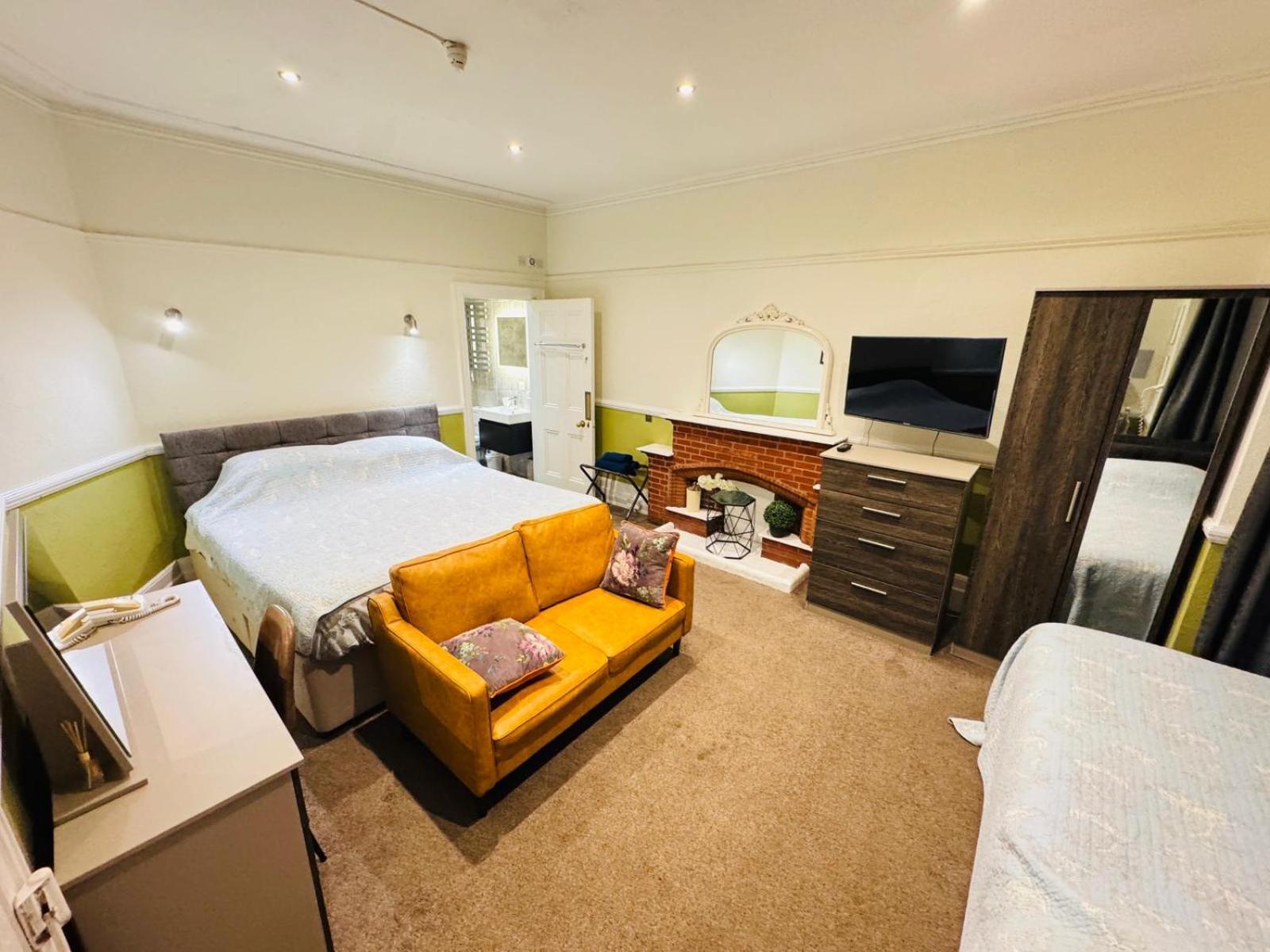
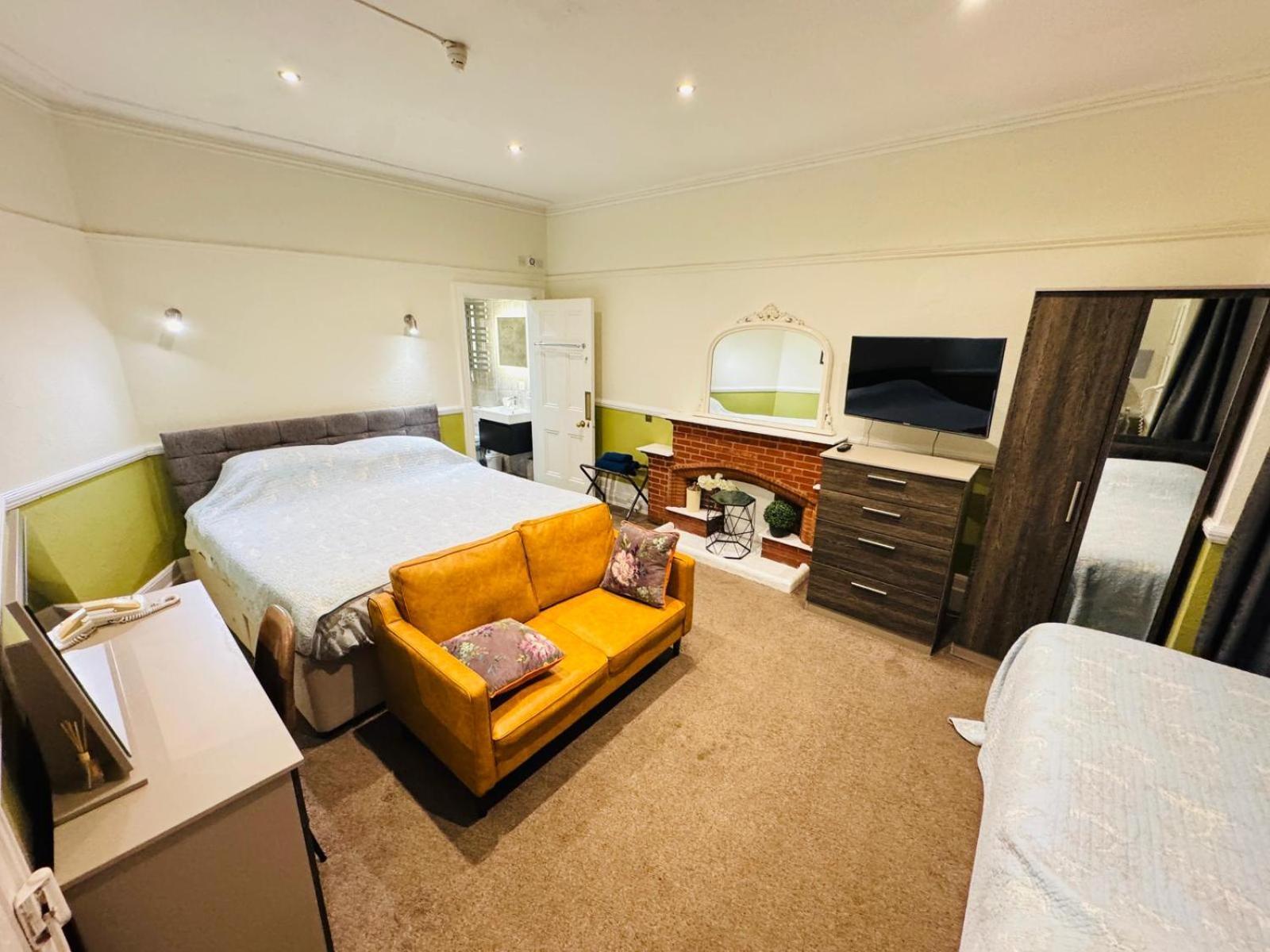
These properties offer strong location anchoring and practical self-catering facilities at 3-star price points - well-suited to travelers doing a multi-stop road trip across Tasmania.
-
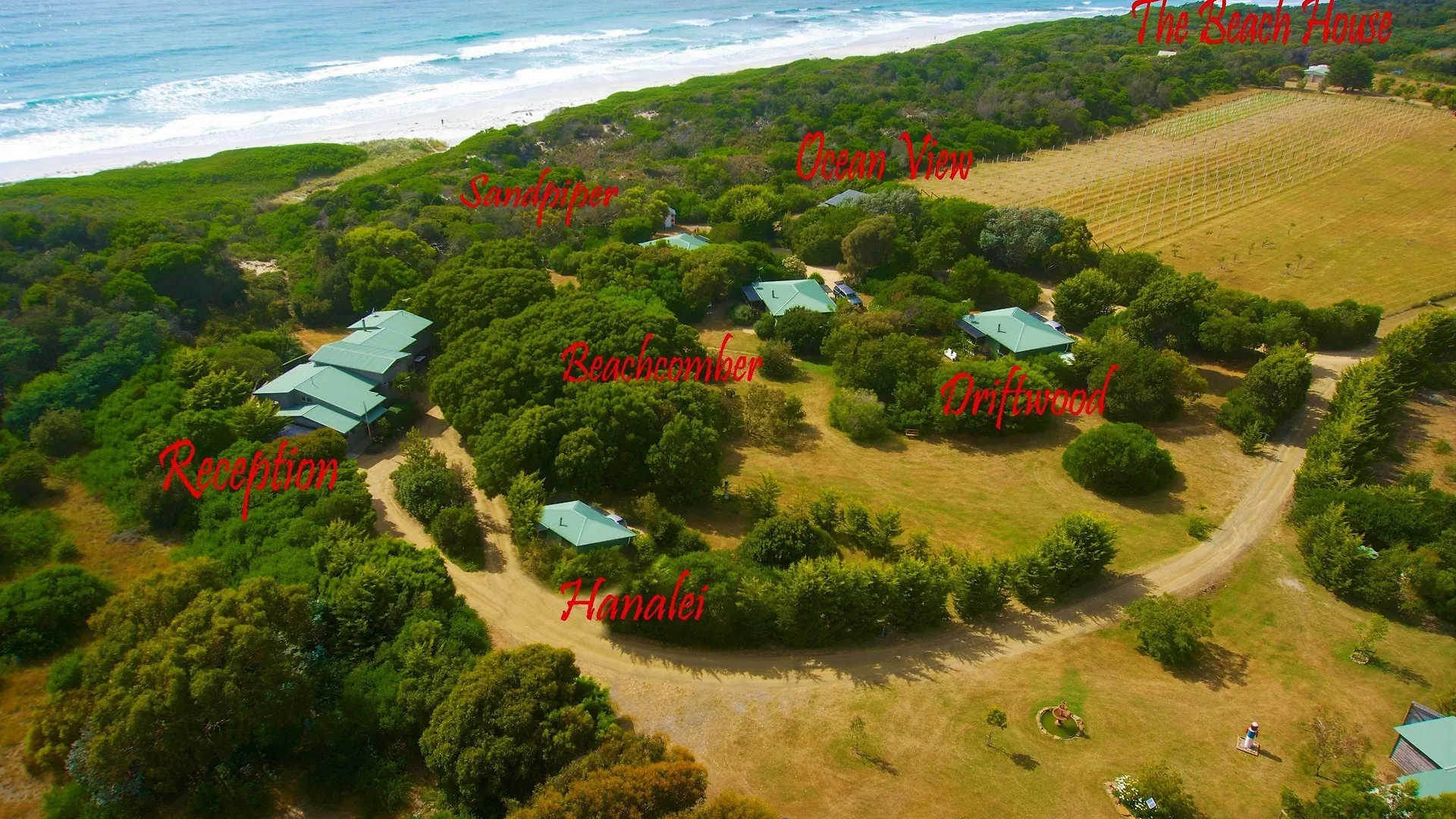
1. Sandpiper Ocean Cottages
Show on map


 Check-infrom 14:00 until 20:30Check-outfrom 08:00 until 10:00
Just a few rooms left at the best rate!
fromAU$ 317
-
2. Cradle Forest Inn
Show on map


 Check-infrom 14:00 until 23:30Check-outfrom 08:00 until 10:00
Hurry – almost gone at this price!
fromAU$ 203
- Show on map
Best price guarantee
Best Premium Stay
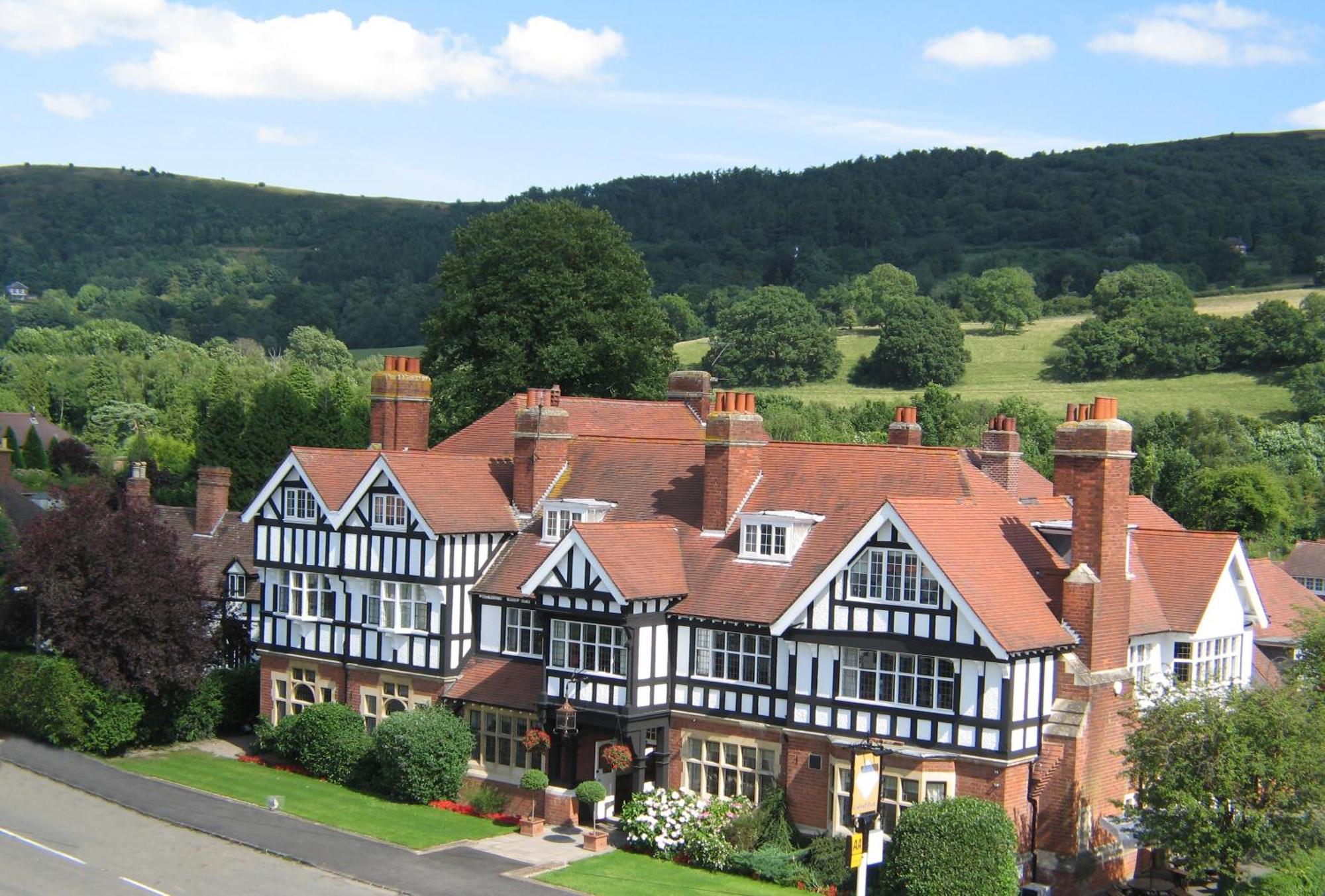
For travelers wanting four-star facilities and a riverside setting near northern Tasmania's wine and heritage corridor, this property is the clear standout in the selection.
-
4. York Cove Hotel
Show on map


 Check-infrom 14:00 until 17:30Check-outuntil 10:00
Rooms filling fast – secure the best rate!
fromAU$ 135
Smart Travel & Timing Advice
Tasmania's peak tourism window runs December through February, driven by school holidays and the Sydney to Hobart Yacht Race crowds in Hobart. During this period, beachfront properties like Sandpiper Ocean Cottages in Bicheno and wilderness-adjacent stays near Cradle Mountain see their lowest availability and highest nightly rates - sometimes climbing around 35% above shoulder-season pricing. March to May is the strongest value window: autumn foliage across the Huon Valley and central highlands is exceptional, temperatures are still walkable, and accommodation is easier to secure without advance planning. Winter (June-August) brings cold and frequent rain, particularly on the west coast, but Hobart's MONA museum and the Dark Mofo festival in June draw a specific crowd that fills city hotels fast. For east-coast and Cradle Mountain stays, aim for a minimum 2-night stay to justify the drive time and make full use of trailhead access or coastal walking routes - one-night stops are logistically inefficient given Tasmania's road distances. Book wilderness-area hotels at least 8 weeks ahead in summer; shoulder-season travelers can typically book 3 weeks out without issue.