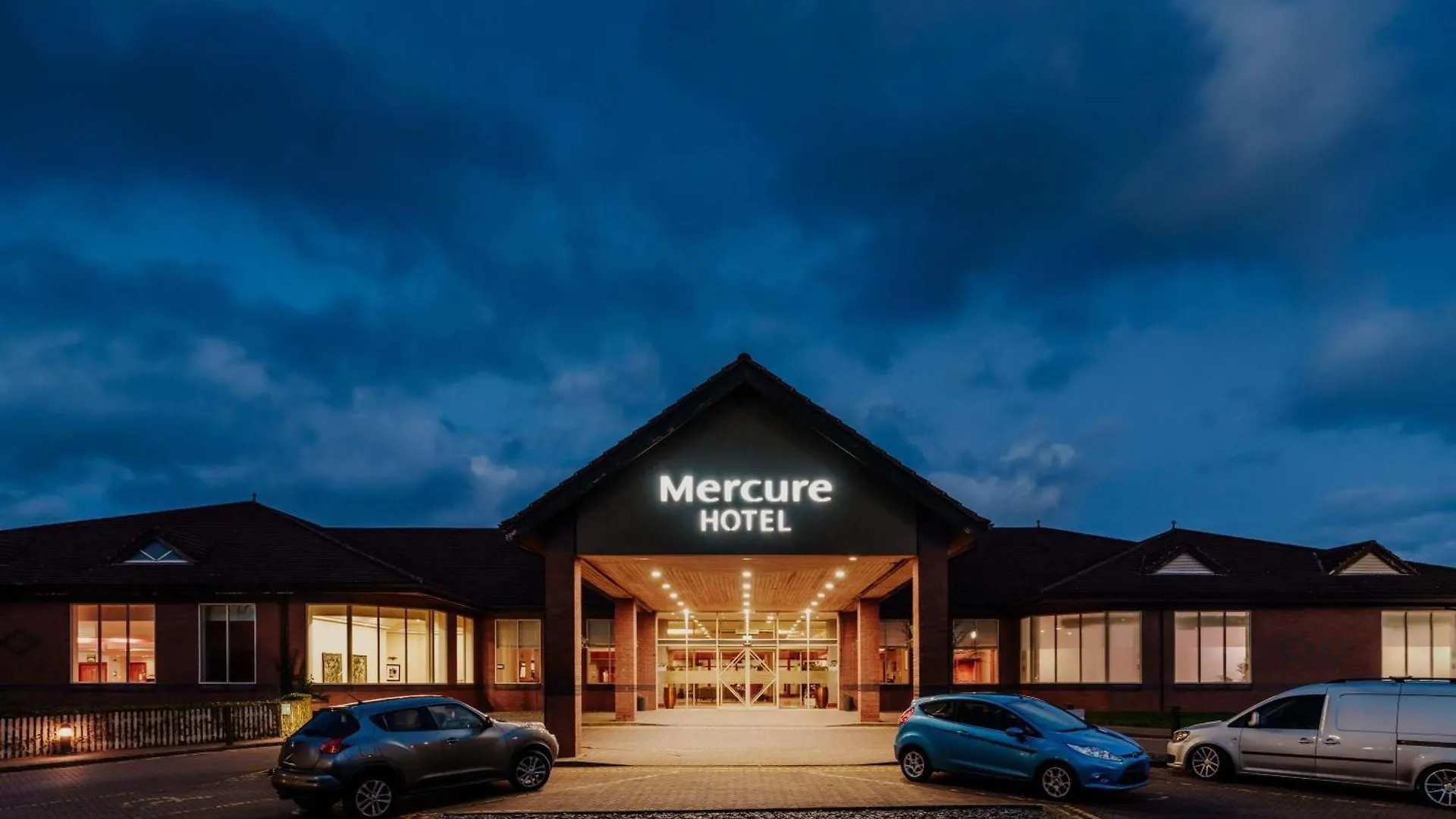
Mercure hotels across England offer a consistent mid-to-upper tier experience with strong regional positioning - from a Gothic mansion outside Bradford to a spa hotel minutes from the M25. Each property brings the brand's standardised comfort while reflecting its local setting, making them a reliable choice for business travellers, couples, and families navigating England's varied geography.
What It's Like Staying in England
England combines historic landmarks, dense motorway networks, and remarkably varied landscapes within a compact country - meaning most destinations are within a few hours of each other by road or rail. Transport connectivity is a genuine strength, with major motorways like the M25, M62, and M4 linking cities efficiently, though urban congestion in London and Birmingham regularly adds time to journeys. Travellers who want direct access to countryside, heritage sites, and major cities without long-haul transfers will find England uniquely practical.
Peak tourist seasons (summer and school holidays) push occupancy up across the country, particularly near London and the South East. Rural and market-town properties tend to stay quieter even in high season, making them strong value picks. Around 80% of England's most visited attractions are within a two-hour drive of the Midlands, which places centrally located hotels at a logistical advantage.
Pros:
Compact geography means multi-destination trips are genuinely feasible without flying
Strong motorway and rail infrastructure reduces transfer times between major cities
Mix of urban, rural, and coastal settings available within one country
Cons:
Road congestion near London and the M25 corridor can add significant time to journeys
Summer and bank holiday periods drive up hotel prices across popular regions
Weather is unpredictable year-round, which affects outdoor itinerary planning
Why Choose Mercure Hotels in England
Mercure's England portfolio sits firmly in the 3-to-4-star bracket, offering a standardised quality floor that independent hotels in the same price band don't always guarantee. What distinguishes Mercure properties here is their tendency to occupy characterful buildings or well-landscaped sites - a Gothic manor in Bradford, a spa retreat in Daventry - rather than generic roadside blocks. This makes them a particularly smart pick for travellers who want brand reliability without sacrificing atmosphere.
Free parking is a consistent feature across most English Mercure hotels, a meaningful saving in towns and cities where parking costs can reach around £20 per day. Room sizes at these properties tend to be more generous than central city hotels at comparable price points, particularly at out-of-town or countryside locations. The trade-off is that some properties require a car for access to local restaurants or attractions beyond the hotel itself.
Pros:
Free on-site parking available at most properties - a tangible cost saving
Characterful buildings and landscaped grounds distinguish several properties from standard chain hotels
Consistent en-suite standards, free WiFi, and F&B facilities across the portfolio
Cons:
Several properties are located outside town centres, requiring a car for local exploration
Breakfast is often an add-on cost rather than included in base room rates
Leisure facilities vary significantly between properties - not all have pools or spas
Practical Booking & Area Strategy
England's Mercure properties are well distributed across the country, which means positioning strategy depends entirely on your itinerary. The Dartford Brands Hatch property is the strongest choice for London access, sitting just 17 miles from central London with direct motorway links to Heathrow, Gatwick, and the Channel Tunnel - making it efficient for arrival or departure nights. For Midlands exploration, the Daventry property near Drayton Water places Birmingham within a 50-minute drive and Stratford-upon-Avon within an hour, covering two of the region's biggest draws in a single base.
In the South, the Newbury West Grange Hotel on the A4 is well positioned for the Thames Valley corridor and the Berkshire countryside, with Thatcham station under 3 km away for rail access into London Paddington. Tunbridge Wells sits 58 km from Gatwick Airport, making the hotel there viable as a quieter alternative to airport-adjacent stays, with Hever Castle and the High Weald accessible without a long drive. Bradford's Bankfield Hotel suits visitors focused on Yorkshire - the M62 provides fast connections to Leeds, Manchester, and the broader North, while the Aire Valley setting gives the stay a distinctive character not found in city-centre hotels.
Book at least 6 weeks ahead for summer stays, particularly at the Dartford and Daventry properties, which attract both leisure and conference traffic. Last-minute availability tends to be better at the Newbury and Bradford properties outside peak periods.
Best Value Stays
These properties combine accessible pricing with strong facilities and clear geographic utility - well suited to travellers prioritising practicality and value across England's Midlands, North, and South.
-
1. Mercure Daventry Court Hotel
Show on map


 Check-infrom 15:00 until 23:59Check-outuntil 11:00
Just a few rooms left at the best rate!
from£ 40
-
2. Mercure Bradford, Bankfield Hotel
Show on map


 Check-infrom 15:00 until 23:00Check-outuntil 11:00
Just a few rooms left at the best rate!
from£ 41
-
3. Mercure Newbury West Grange Hotel
Show on map


 Check-infrom 14:00 until 23:59Check-outuntil 11:00
Hurry – almost gone at this price!
from£ 71
Best Premium Stays
These two properties offer upgraded leisure facilities, stronger transport connectivity to major airports and London, and locations with high demand - making early booking particularly important.
-
4. Mercure Dartford Brands Hatch Hotel & Spa
Show on map


 Check-infrom 15:00 until 23:59Check-outuntil 12:00
Hurry – almost gone at this price!
from£ 120
-
2. Mercure Tunbridge Wells Hotel
Show on map


 Check-infrom 15:00 until 23:59Check-outuntil 11:00
Rooms filling fast – secure the best rate!
from£ 79
Smart Travel & Timing Advice for Mercure Hotels in England
England's hotel market follows predictable seasonal patterns, but Mercure properties outside London follow slightly different demand curves than city-centre hotels. July and August push occupancy to its peak across all five properties, with the Dartford and Tunbridge Wells hotels seeing the strongest price increases due to proximity to London and popular Kent attractions. Booking around 6 weeks ahead for summer travel is a practical minimum - leaving it later risks both higher rates and limited room-type availability, particularly for family or executive rooms.
Shoulder seasons - late September through November and March through May - offer the best balance of availability and pricing across the group. The Bradford Bankfield and Newbury West Grange properties tend to hold rates more steadily throughout the year due to their strong conference and corporate demand, which keeps weekday occupancy consistent. Weekend stays at these properties often come in lower than midweek, reversing the pattern seen at leisure-focused hotels. The Daventry and Tunbridge Wells hotels are most affected by school holiday spikes, so families travelling outside term time will find better rates in June before the summer peak begins.
For visitors focused on specific events - Brands Hatch race weekends, Newbury Racecourse fixtures, or Bradford festivals - rates at nearby properties can spike significantly on event dates, making advance booking not just advisable but essential. Last-minute deals are most likely at the Newbury and Bradford properties during quiet winter weekends, when demand drops and promotional rates appear.