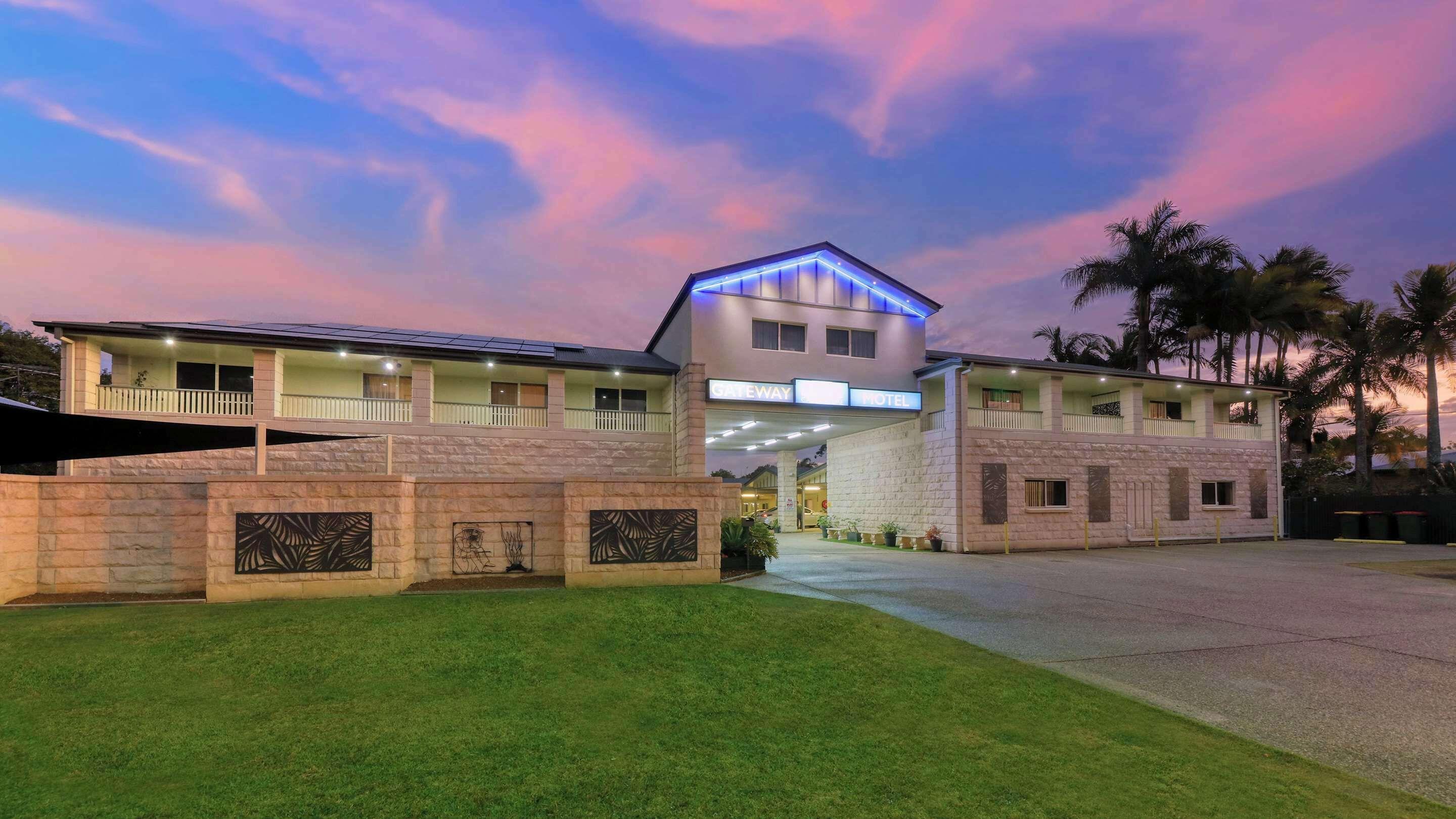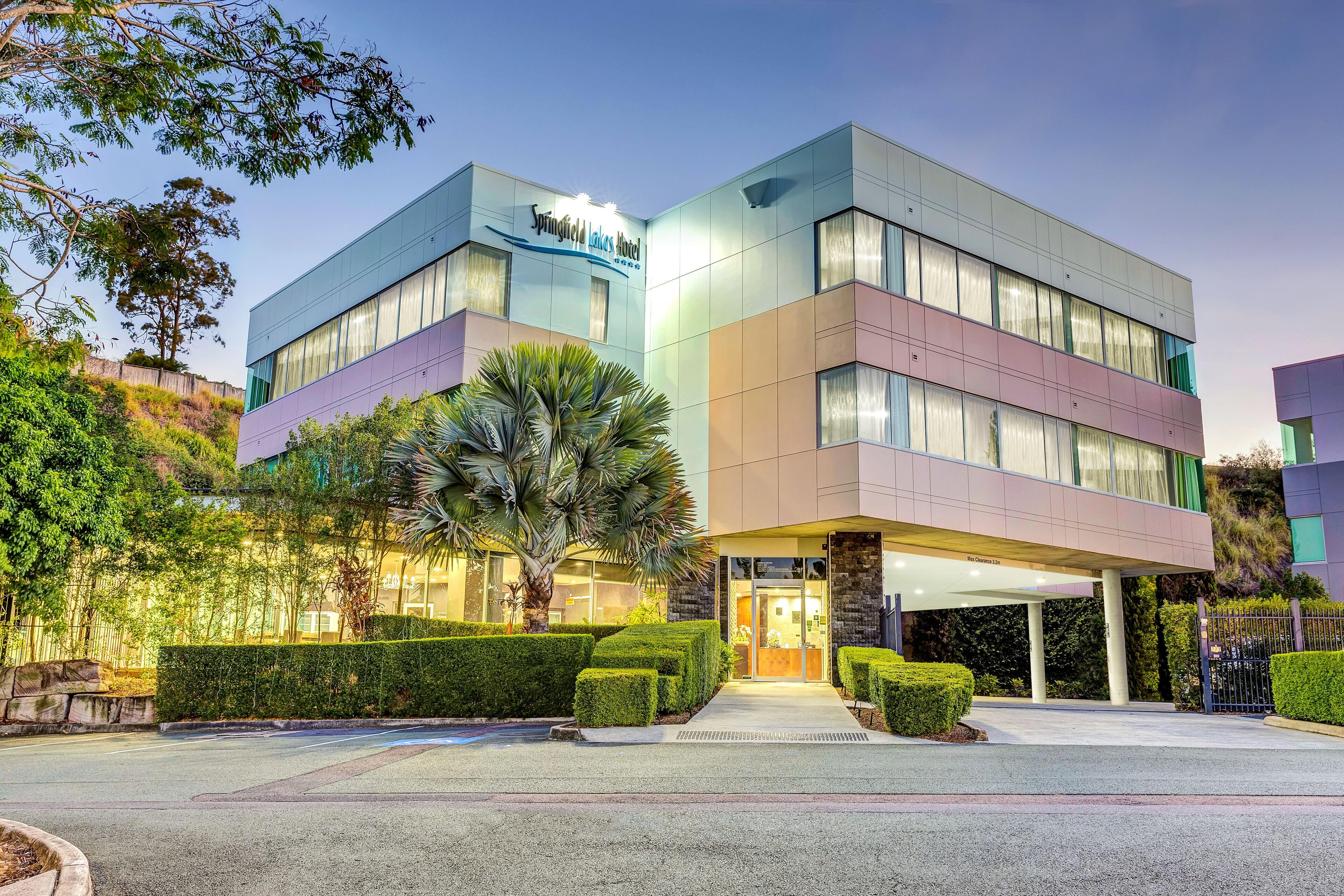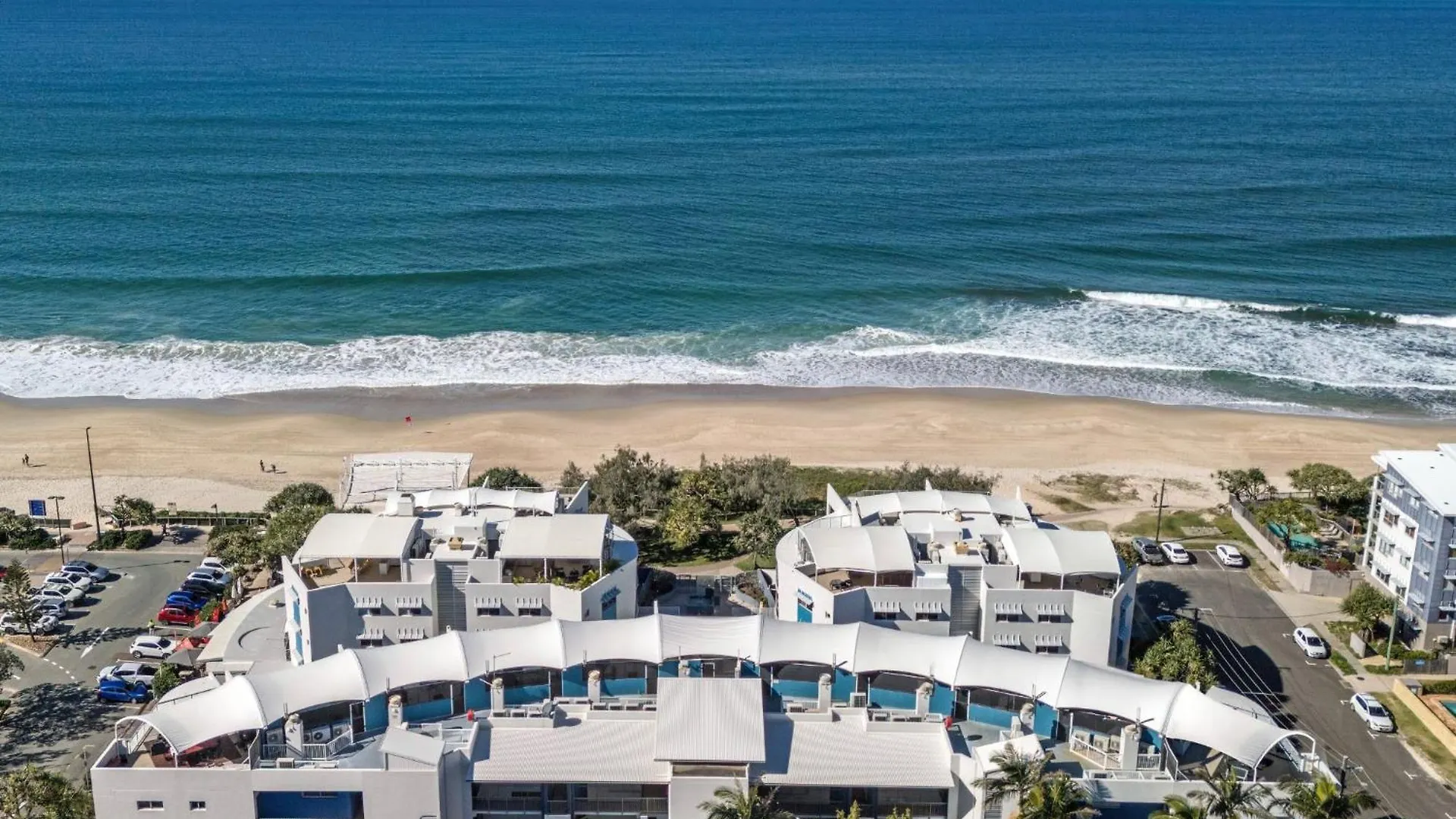
Queensland stretches over 1,800 kilometres of coastline, encompassing the Great Barrier Reef, the Daintree Rainforest, the Whitsunday Islands, and the Sunshine Coast - making it one of Australia's most geographically diverse states for resort-style accommodation. Whether you're after a beachfront apartment in Caloundra, a rainforest treehouse near Cape Tribulation, or a secluded island retreat accessible only by seaplane, Queensland's resort hotels deliver a level of immersion that standard city hotels simply cannot match. This guide covers 8 carefully selected resort properties across the state to help you find the right base for your trip.
What It's Like Staying in Queensland
Queensland operates at a pace that rewards resort-style stays more than most Australian states. Outside of Brisbane, the state runs on a car-first rhythm - distances between coastal towns can exceed 200 kilometres, and public transport between beach destinations is minimal. That makes resort properties with on-site pools, dining, and activity desks far more practical than urban-style hotels. Tourists tend to cluster along three main corridors: the Sunshine Coast, the Cairns-Port Douglas strip, and the Whitsundays - meaning that choosing the right sub-region matters as much as the hotel itself. The tropical north sees peak crowd pressure from June to September, while the southeast coast stays busy year-round.
Families, couples, and eco-travellers are the primary beneficiaries of staying in Queensland's resort zones. Budget-focused travellers or those prioritising nightlife over nature may find the resort model less cost-effective.
Pros:
Direct beach or reef access is standard across most mid-to-upper tier resorts, removing the need for daily transport
Self-contained apartments and villas with kitchens allow travellers to manage food costs without sacrificing comfort
Queensland's resort corridors sit close to UNESCO World Heritage sites - the Reef and the Daintree - that cannot be accessed efficiently from city hotels
Cons:
Driving distances between resort zones are substantial - the trip from Brisbane to Cairns by road takes around 20 hours
Isolated resorts (island properties, rainforest lodges) carry a significant price premium and require advance logistics planning
Seasonal rain and cyclone risk in the tropical north (November to April) can disrupt itineraries significantly
Why Choose Resort Hotels in Queensland
Resort hotels in Queensland are structurally different from standard accommodation: they are designed as self-sufficient destinations rather than sleeping bases. Most properties combine multiple pools, on-site dining, activity programmes, and direct nature access under one roof - reducing the daily planning burden that comes with standard hotel stays. Self-contained apartments and villa-style units dominate Queensland's resort landscape, offering full kitchens, laundry facilities, and private outdoor space that makes week-long stays genuinely manageable for families and groups. Price positioning varies sharply by location - Sunshine Coast beachfront resorts typically cost less than Whitsunday island properties, which can run around 40% higher due to transfer logistics.
In terms of trade-offs, resorts positioned in natural settings - rainforest, islands, reef-adjacent beaches - tend to limit walkability. You won't find a convenience store a block away. That isolation is a deliberate feature for some travellers and a dealbreaker for others.
Pros:
Full kitchens in most Queensland resorts allow families to cut meal costs across a multi-night stay
On-site activity programmes (reef tours, kayaking, snorkelling hire) reduce the logistical overhead of organising excursions independently
Direct beach or reef frontage at multiple properties means zero travel time to Queensland's headline natural attractions
Cons:
The resort premium over standard hotels is real - especially on island and rainforest properties where transfer costs add to the total
Wi-Fi reliability drops sharply at remote island and rainforest resorts compared to coastal town properties
On-site dining at isolated resorts often has limited menu rotation, which becomes noticeable on stays longer than 3 nights
Practical Booking & Area Strategy
Queensland's resort geography splits into five distinct zones, each with a different travel logic. The Sunshine Coast (Caloundra, Noosa, Scarborough/Moreton Bay) is the most accessible from Brisbane - around 90 minutes by car - and suits short breaks of 2 to 3 nights. Noosa specifically combines resort density with walkable café strips, making it one of the state's best positioned resort towns. The Cairns-Port Douglas corridor in Tropical North Queensland is the primary gateway to the Great Barrier Reef and the Daintree Rainforest; staying here requires flying into Cairns Airport, with Port Douglas sitting a 65-kilometre drive north. Island resorts in the Whitsundays and the Palm Bay area require boat or air transfers, adding cost and planning time but delivering isolation that mainland properties cannot replicate. Bundaberg and the Southern Great Barrier Reef (where Bargara sits) remain underbooked relative to the north, offering better value for reef-adjacent stays. Book at least 8 weeks ahead for peak school holiday periods (June-July and September-October) across all zones, when availability at beachfront resorts drops sharply.
Best Value Resort Stays
These properties deliver strong resort facilities - pools, beach access, on-site dining - at price points that make them accessible for families and longer stays across Queensland's Sunshine Coast, Moreton Bay, and Southern Reef zones.
-
1. Rolling Surf Resort
Show on map


 Check-infrom 14:00 until 17:00Check-outfrom 08:00 until 10:00
Just a few rooms left at the best rate!
fromAU$ 307
-
2. Scarborough Beach Resort Brisbane
Show on map


 Check-infrom 14:00 until 16:00Check-outuntil 10:00
Just a few rooms left at the best rate!
fromAU$ 396
-
3. Kellys Beach Resort
Show on map


 Check-infrom 14:00 until 22:00Check-outfrom 07:00 until 10:00
Just a few rooms left at the best rate!
fromAU$ 214
-
4. King Reef Resort
Show on map


 Check-infrom 14:00 until 17:00Check-outfrom 06:00 until 10:00
Hurry – almost gone at this price!
fromAU$ 120
Best Premium Resort Stays
These properties operate at the top end of Queensland's resort spectrum - island seclusion, rainforest immersion, luxury villa formats, and Noosa's prestigious Hastings Street corridor - suited to travellers prioritising experience quality over cost efficiency.
-
5. Noosa Residences
Show on map


 Check-infrom 15:00 until 17:00Check-outuntil 10:00
Hurry – almost gone at this price!
fromAU$ 660
-
6. Daintree Ecolodge
Show on map


 Check-infrom 14:00 until 17:00Check-outfrom 08:00 until 10:00
Hurry – almost gone at this price!
fromAU$ 1120
-
7. Palm Bay Resort
Show on map


 Check-infrom 14:00 until 18:00Check-outfrom 07:00 until 10:00
Rooms filling fast – secure the best rate!
fromAU$ 249
-
4. Niramaya Villas And Spa
Show on map


 Check-infrom 14:00 until 16:00Check-outfrom 08:00 until 10:00
Rooms filling fast – secure the best rate!
fromAU$ 662
Smart Travel & Timing Advice for Queensland Resorts
Queensland's resort calendar divides sharply by geography. In the Tropical North (Cairns, Port Douglas, Daintree, Whitsundays), June through September is the dry season and represents the most reliable window for reef visibility, rainforest walks, and outdoor activities. Prices in this corridor spike around 30% above shoulder season rates, and popular properties like Niramaya and the Daintree Ecolodge can reach full occupancy on popular weekends with 10 to 12 weeks' notice. The Sunshine Coast (Caloundra, Noosa, Scarborough) runs busy year-round but peaks sharply during Australian school holidays - particularly the June-July winter break and the December-January summer holidays, when Noosa and Kings Beach properties fill weeks in advance. For the best rate-to-availability balance, target late April to late May or late September to mid-October: the tropical north is still dry, school holidays have not yet begun, and the Sunshine Coast is post-Easter quiet. Island resorts like Palm Bay require booking at least 8 weeks ahead regardless of season, as total room inventory is small and transfer logistics mean last-minute changes carry real cost penalties. A minimum stay of 3 nights is the practical threshold for any resort with transfer requirements; 5 nights or more justifies the premium at Daintree Ecolodge and Palm Bay. For the Southern Reef zone (Bargara, Kurrimine Beach), pricing remains more stable year-round, making it the most forgiving sub-region for short-notice bookings.