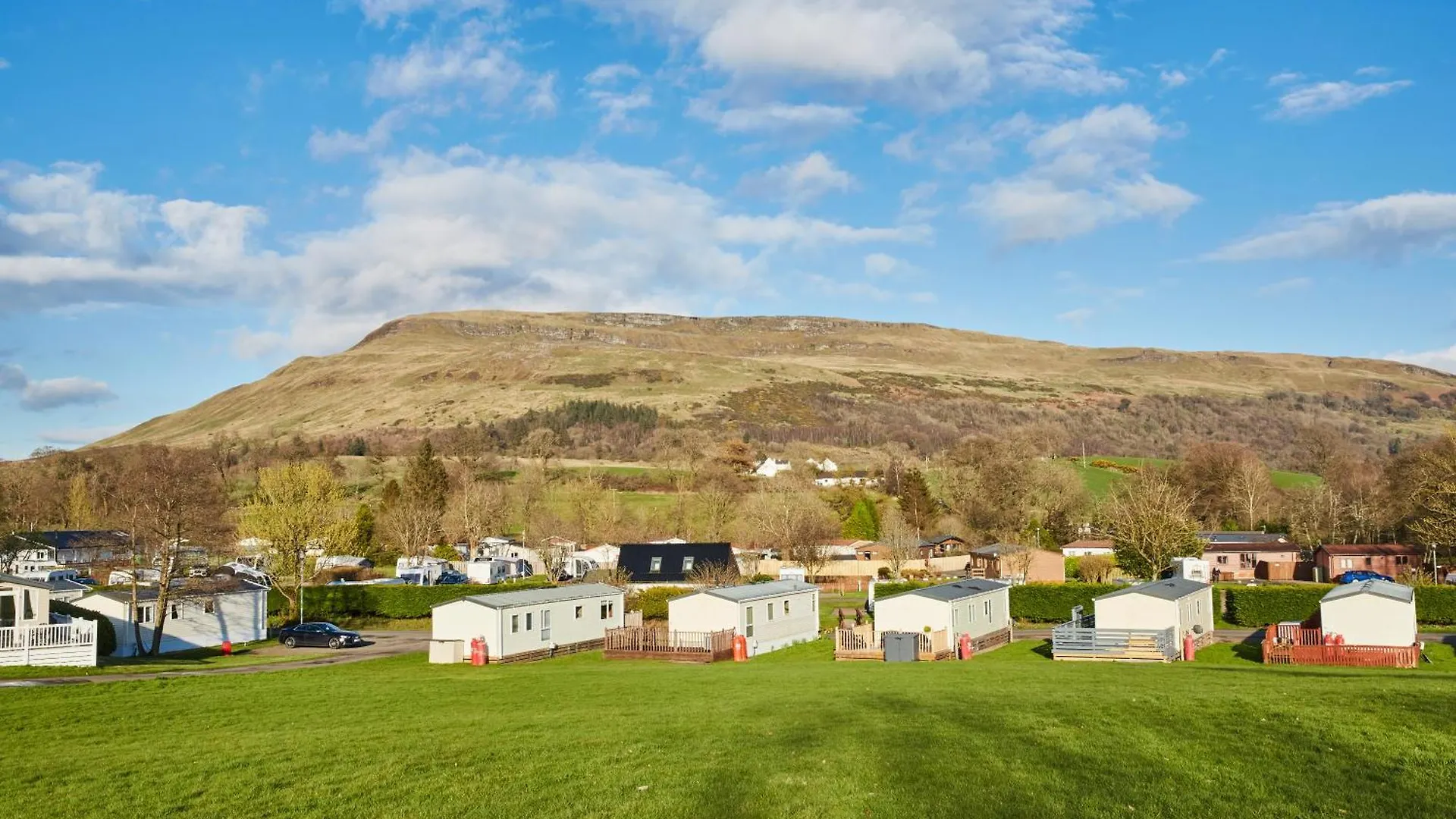
Scotland's resort landscape spans dramatic Highland glens, island coastlines, loch-side retreats and golf-framed countryside - offering a level of scenic and experiential variety that few countries can match. Whether you're after a self-catering loch-side cottage, a whisky-bar hotel in the Cuillin mountains, or a championship golf resort near Aviemore, this guide covers the 15 best resorts in Scotland with the specificity needed to book smart.
What It's Like Staying in Scotland
Scotland rewards slower travel. Unlike city-break destinations, most Scottish resorts require a car - public transport outside Edinburgh and Glasgow thins out dramatically, and many of the most memorable properties sit well beyond rail range. Driving distances between key areas can easily exceed 3 hours, so where you base yourself shapes your entire trip. The country draws visitors year-round, but summer crowds at Skye, Loch Lomond and the NC500 corridor can catch first-timers off guard - particularly in July and August when coastal villages like Bettyhill or Colintraive see a sharp uptick in passing traffic.
Scotland suits travellers who prioritise landscape immersion, whisky culture, outdoor activity and genuine remoteness. Those expecting compact, walkable city convenience outside Glasgow or Edinburgh will likely prefer a different destination. Roughly 70% of Scotland's landmass is classified as rural, which means resort stays here are genuinely removed - and that is exactly the point for most visitors.
Pros:
- Unmatched scenic variety within a single country - glens, sea lochs, island views and river valleys often within the same itinerary
- Strong outdoor activity infrastructure: hiking, cycling, fishing, golf and wildlife watching are embedded in most resort offerings
- Whisky, seafood and locally sourced cuisine make for an authentic food and drink culture rarely found at this density elsewhere
Cons:
- Car hire is effectively mandatory outside the central belt - train access to Highland resorts is limited and infrequent
- Weather is unpredictable at any time of year; rain and wind can disrupt outdoor itineraries without warning
- Peak-season pricing at popular gateway areas like Aviemore and Skye rises steeply, and availability disappears fast
Why Choose a Resort Stay in Scotland
Resorts in Scotland tend to offer something distinct from standard hotel stays: bundled activities, on-site dining, leisure facilities and positioning within nature rather than near city infrastructure. This category ranges from holiday parks with pools and EV charging to 4-star country house properties with à la carte restaurants and room service. Self-catering resort cottages typically cost less per night than equivalent hotel rooms once you factor in kitchen access and group capacity - making them especially efficient for families or groups of four or more. The trade-off is that on-site convenience varies widely: some resorts are genuinely self-contained, while others rely on a nearby village for supplies.
The defining advantage of a Scottish resort over a city hotel is proximity to the activity itself. Guests at a Trossachs property walk to cycle routes; guests at a Loch Tay resort kayak from the grounds. This proximity saves around 45 minutes of daily driving compared to staying in a market town and commuting to activity points. For shorter trips, that efficiency matters considerably.
Pros:
- On-site leisure (pools, fitness, tennis, golf) reduces the need to travel out daily for activity
- Self-catering options offer genuine cost control for families staying 4 or more nights
- Resort restaurants in Scotland frequently source local produce - venison, seafood, Scottish beef - providing a food experience tied to place
Cons:
- Remote resort positioning means limited evening options beyond the on-site bar or restaurant
- Some properties describe themselves as resorts but offer limited amenity depth - always verify pool, dining and activity access before booking
- Cancellation flexibility varies sharply between self-catering resort bookings and standard hotel reservations
Practical Booking & Area Strategy for Scottish Resorts
Scotland's resort geography falls into four practical zones: the Central Belt fringe (Loch Lomond, Trossachs, Perthshire), the West Coast and Argyll (Colintraive, Helensburgh, Rhu), the Northwest Highlands and NC500 corridor (Bettyhill, Thurso, Bettyhill, Morar), and the Islands (Skye). For a first visit, Perthshire and the Trossachs offer the best balance of access and scenery - Glasgow is around 90 minutes away, Edinburgh under 2 hours, and the road network is reliable year-round. Skye and the far northwest deliver more dramatic landscapes but require longer drives - the A9 to Aviemore is fast, but the single-track roads beyond Ullapool or into Sutherland demand time and confidence behind the wheel.
Booking lead times matter in Scotland. Summer school holiday weeks (late July through August) fill Highland resorts 8 to 10 weeks in advance, particularly self-catering units. The NC500 route has transformed demand in the north, and properties in Bettyhill or Thurso that once had open availability now compete with a new wave of road-trip travellers. Outside peak summer, shoulder seasons (May-June and September-October) offer the best combination of reasonable weather, lower prices and uncrowded roads. Winter stays are viable in the Central Belt but can be limiting further north due to daylight hours and road conditions.
Key Scottish attractions accessible from resort bases include Cairngorms National Park, Ben Nevis, the Isle of Skye, Loch Ness, Glencoe, St Andrews and the whisky distilleries of Speyside. Golf travellers should note that North Berwick, Gleneagles and the Speyside area each have distinct course access - match your resort base to your priority course before booking.
Best Value Resort Stays in Scotland
These properties deliver strong activity access, solid on-site facilities and competitive nightly rates - particularly suited to families, self-catering groups and outdoor-focused visitors who want comfort without overspending on rooms they'll rarely use.
-
1. Campsie Glen Holiday Park
Show on map


 Check-infrom 16:00 until 17:00Check-outfrom 09:00 until 10:00
Rooms filling fast – secure the best rate!
from£ 74
-
2. Sligachan Hotel
Show on map


 Check-infrom 15:00 until 23:59Check-outuntil 10:00
Just a few rooms left at the best rate!
from£ 202
-
3. Killin Hotel
Show on map


 Check-infrom 15:00 until 21:00Check-outfrom 07:00 until 10:00
Hurry – almost gone at this price!
from£ 65
-
4. Mhor 84
Show on map


 Check-infrom 15:00 until 22:00Check-outfrom 08:00 until 11:00
Best price guarantee
from£ 137
-
5. Bettyhill Hotel
Show on map


 Check-infrom 15:00 until 21:00Check-outfrom 08:00 until 10:00
Just a few rooms left at the best rate!
from£ 133
-
6. The Colintraive
Show on map


 Check-infrom 15:00 until 21:00Check-outfrom 05:00 until 11:00
Rooms filling fast – secure the best rate!
from£ 184
-
7. The Morar Hotel
Show on map


 Check-infrom 15:00 until 22:00Check-outfrom 07:00 until 11:00
Rooms filling fast – secure the best rate!
from£ 175
-
8. Ardencaple Hotel By Greene King Inns
Show on map


 Check-infrom 14:00 until 22:00Check-outuntil 11:00
Just a few rooms left at the best rate!
from£ 42
Best Premium Resort Stays in Scotland
These properties offer elevated facilities, stronger location credentials or higher-spec accommodation - suited to travellers prioritising leisure amenities, fine dining, golf access or a distinctly Scottish luxury experience.
-
9. The Kenmore Club
Show on map


 Check-infrom 16:00 until 23:59Check-outuntil 10:00
Best price guarantee
from£ 87
-
2. Macdonald Spey Valley Resort
Show on map


 Check-infrom 17:00 until 18:00Check-outfrom 08:00 until 10:00
Rooms filling fast – secure the best rate!
from£ 274
-
11. Achray House Restaurant With Rooms
Show on map


 Check-infrom 16:00 until 22:30Check-outfrom 08:00 until 11:00
Hurry – almost gone at this price!
from£ 282
-
12. Village Hotel Glasgow
Show on map


 Check-infrom 15:00 until 23:59Check-outuntil 11:00
Best price guarantee
from£ 259
-
13. Sherbrooke Castle Hotel
Show on map


 Check-infrom 15:00 until 23:00Check-outfrom 01:00 until 11:00
Hurry – almost gone at this price!
from£ 75
-
6. Nether Abbey Hotel
Show on map


 Check-infrom 15:00 until 23:00Check-outuntil 11:00
Just a few rooms left at the best rate!
from£ 98
-
7. Forss House
Show on map


 Check-infrom 15:00 until 21:00Check-outfrom 07:00 until 11:00
Hurry – almost gone at this price!
from£ 278
Smart Travel & Timing Advice for Scottish Resorts
Scotland's resort season peaks sharply between late June and late August, when the combination of school holidays, the NC500 boom and international summer tourism pushes availability to its lowest and pricing to its highest - particularly for self-catering units and Highland lodge properties. Booking at least 8 weeks ahead is essential for July and August stays at properties like Sligachan, The Kenmore Club or Macdonald Spey Valley, where units sell out in popular weeks regardless of price. The shoulder season windows - May to early June and September to mid-October - offer a strongly better value proposition: crowds are thinner, coastal roads are navigable without long waits, and many resort restaurants operate at full capacity rather than peak-season reduced menus.
For most Scottish resort stays, a minimum of 3 nights makes logistical sense. The driving time to reach many of these properties means a 1-night stay rarely justifies the effort, and most outdoor activities - walking, cycling, fishing, golf - benefit from at least a second day to account for weather variability. Winter stays in the Central Belt and Perthshire are viable and genuinely atmospheric, particularly at properties with log fires, and Christmas and New Year bookings at castle hotels and country houses in Glasgow and Perthshire fill months in advance. Travellers with flexibility should target mid-week stays in September - the best combination of open road access, active restaurants, moderate pricing and reliable daylight.