The United Kingdom's 4-star hotel market sits at a sweet spot between budget accommodation and full luxury - offering genuine quality, consistent service standards, and character-driven properties that range from historic manor houses in rural England to well-connected city hotels near major transport hubs. This guide covers 15 vetted properties across England and Wales, with specific booking insights to help you make the right call based on your destination, travel purpose, and timing.
What It's Like Staying in the United Kingdom
The United Kingdom packs an extraordinary variety of landscapes and cultural landmarks into a relatively compact geography - from the chalk coastlines of Kent and the Norfolk Broads to the Welsh borders, the South Downs, and the Fylde Coast of Lancashire. London dominates travel conversations, but most of the UK's most atmospheric accommodation sits outside the capital, in market towns, coastal villages, and countryside estates where the character of the country is genuinely felt. Crowd pressure is heavily concentrated in summer (June to August) and around school holidays, particularly at heritage sites like Canterbury Cathedral, Stonehenge, and Goodwood - so timing your visit shapes the experience dramatically. Visitors who stay in rural or semi-rural properties gain access to walking routes, local food scenes, and historic gardens that urban hotels simply cannot replicate, though they trade off walkability and evening entertainment for that privilege.
Rail and road connectivity varies sharply by region - properties near the M4, M25, or major intercity rail lines offer far more flexibility than those in deep rural settings where a car is essentially mandatory.
Pros:
- Exceptionally diverse geography within short driving distances - coast, countryside, and city often within around 50 km of each other
- Strong heritage tourism infrastructure, with well-maintained National Trust sites, cathedrals, and motor circuits spread across every county
- 4-star accommodation outside London offers significantly more space and character per pound than equivalent urban properties
Cons:
- Weather is genuinely unpredictable year-round - outdoor plans at coastal or garden properties require flexible itineraries
- Rural properties often lack reliable public transport, making car hire a practical necessity rather than an option
- Peak summer pricing at popular heritage destinations can push accommodation costs up by around 40% compared to shoulder season rates
Why Choose 4-Star Hotels in the United Kingdom
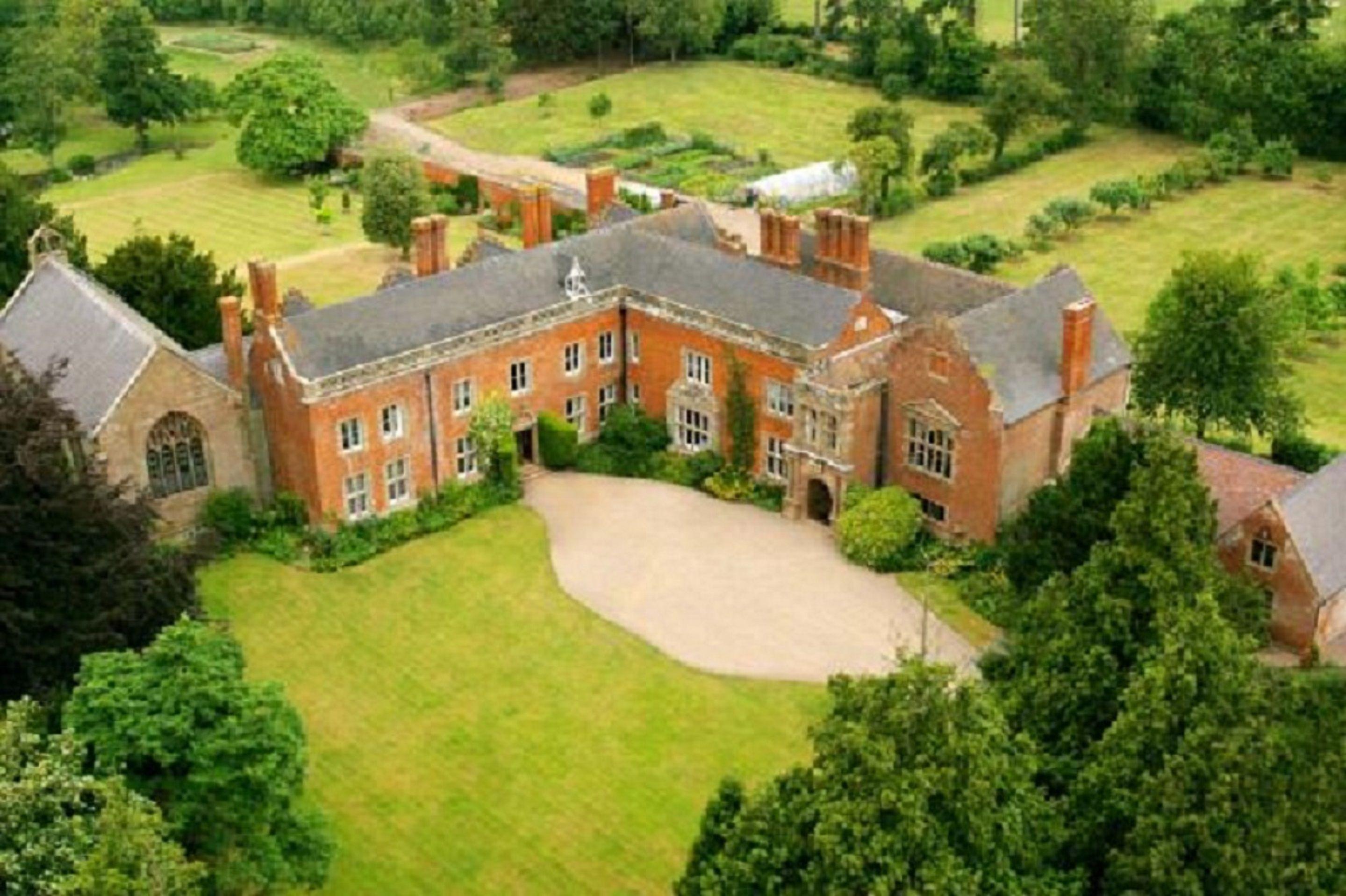
In the UK context, the 4-star classification reliably signals private en suite bathrooms, on-site dining (typically including a full English breakfast option), consistent housekeeping, and a staffed front desk - standards that budget and unclassified B&Bs cannot guarantee. What distinguishes UK 4-star properties specifically is the prevalence of historic buildings - converted manor houses, coaching inns, and farmhouses that carry architectural character you won't find in newly built hotels of the same rating. Room sizes, however, vary considerably: a 4-star manor house room is often larger than its city-centre equivalent, though older buildings sometimes have irregular layouts and limited lift access. The price differential between a 3-star and a 4-star property in rural England is frequently modest - often under £30 per night - making the upgrade straightforward to justify. Urban 4-star hotels near business parks or airport corridors, such as those close to the M4 or Birmingham Airport, cater primarily to corporate travellers and offer reliable standardisation over individuality.
Trade-offs at rural 4-star properties include limited evening transport, occasional restricted mobile signal, and the reality that on-site restaurants may have set dining hours rather than all-day service.
Pros:
- Many UK 4-star properties are housed in listed or historic buildings, offering architectural substance that chain hotels at the same price point lack
- Full English breakfast inclusion is common, providing genuine meal value that reduces daily travel spend
- Free on-site parking is standard at rural and semi-rural 4-star properties - a significant cost saving versus city-centre hotels
Cons:
- Historic buildings can have accessibility limitations - uneven floors, no lifts, and narrow corridors are not uncommon
- On-site restaurant hours at country properties are typically fixed, limiting flexibility for late arrivals
- Soundproofing in converted older buildings is inconsistent and may fall below the standard of purpose-built hotels
Practical Booking & Area Strategy for the UK
Choosing where to base yourself in the UK depends more on your primary destination cluster than on any single city. The Home Counties and Hampshire corridor - covering properties near Cambridge, Royston, Chichester, and Uckfield - give access to a dense concentration of National Trust houses, racecourses, and cathedral cities within around 40 km of each other, making them efficient bases for multi-day touring. The East Anglian coast (Norfolk and Suffolk) suits travellers prioritising coastal landscapes and low crowd density outside summer, with properties near Blakeney Point and Holkham Hall offering genuine remoteness. The West Midlands and Worcestershire corridor is underleveraged by leisure tourists despite being within easy reach of Cadbury World, the Cotswolds, and Stratford-upon-Avon. For Wales and the M4 corridor, Cardiff-adjacent hotels provide direct motorway access to both the Welsh coast and Bristol within under an hour. Lancashire's Fylde Coast remains one of the UK's most affordable coastal areas for quality accommodation, with far lower rack rates than comparable properties in Cornwall or the Jurassic Coast. Book rural properties at least 6 weeks ahead for summer and bank holiday weekends - last-minute availability at well-reviewed country inns drops sharply from late May onward.
Micro-location tip: Properties within 15 km of a major rail station or motorway junction give the most flexible base for exploring without full car dependency.
Hotels in Southern England & the Home Counties
Southern England's 4-star properties cover a wide arc from Kent's Channel coast through Sussex, Hampshire, and Hertfordshire - each county offering distinct access to heritage sites, transport links, and countryside character.
-
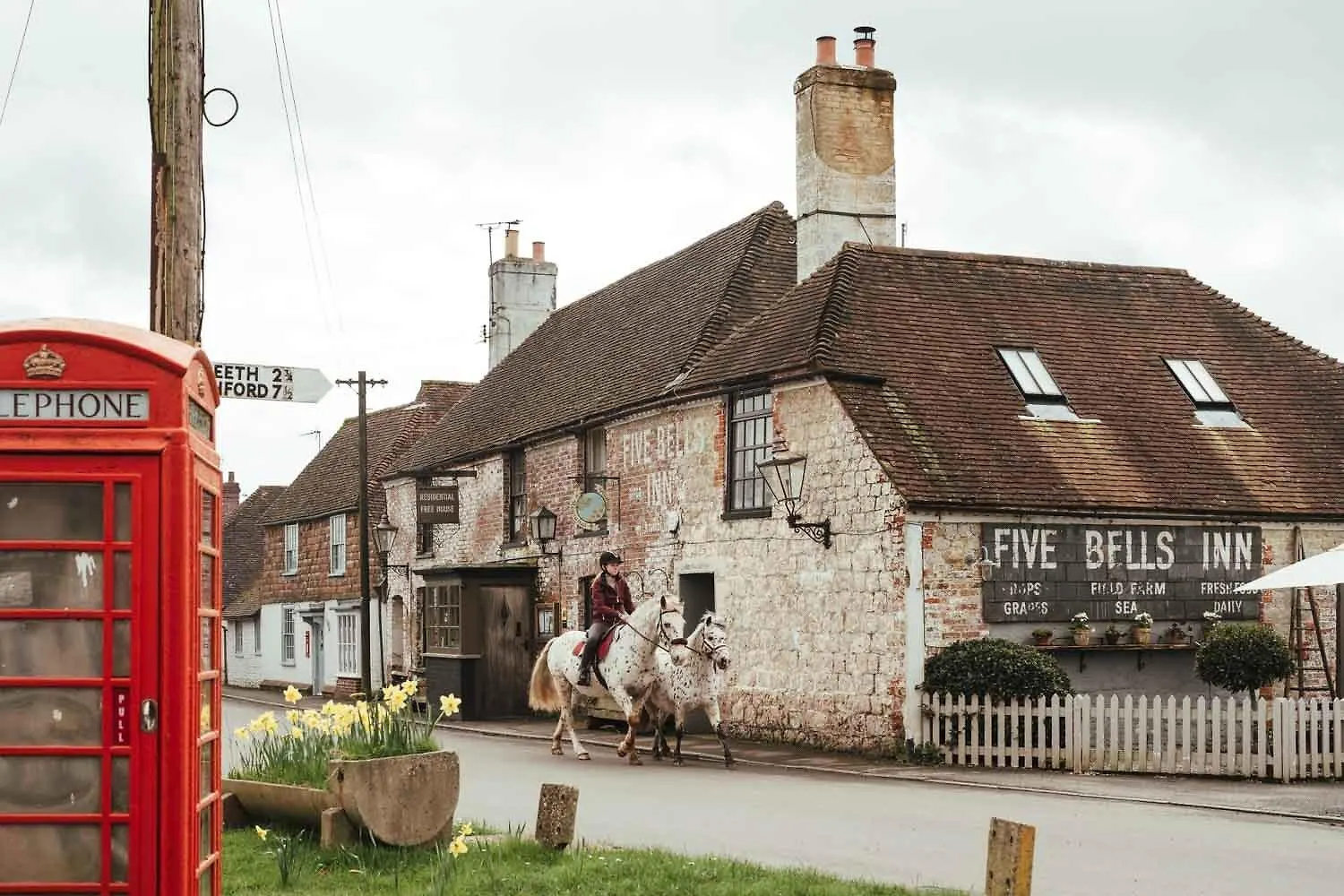
1. The Five Bells Inn Brabourne
Show on map


 Check-infrom 15:00 until 21:00Check-outuntil 11:00
Rooms filling fast – secure the best rate!
from£ 116
-
2. Horsted Place Hotel
Show on map


 Check-infrom 14:00 until 23:59Check-outuntil 11:00
Hurry – almost gone at this price!
from£ 311
-
3. The Chalk Hare, Royston, Hertfordshire - Acorn Pubs
Show on map


 Check-infrom 15:00 until 23:00Check-outfrom 07:00 until 11:00
Best price guarantee
from£ 121
-
4. Bourne Valley Inn
Show on map


 Check-infrom 15:00 until 21:30Check-outuntil 11:00
Best price guarantee
from£ 137
-
5. Lordington Park
Show on map


 Check-infrom 15:00 until 19:00Check-outfrom 06:00 until 11:00
Just a few rooms left at the best rate!
from£ 219
Hotels in East Anglia, the Midlands & the North
From Norfolk's coastal villages to the Worcestershire countryside and Lancashire's Fylde Coast, this grouping covers the UK's most underrated 4-star properties - where pricing is lower, crowds thinner, and access to nature more immediate than in the south.
-
1. The Ship Inn
Show on map


 Check-infrom 15:00 until 22:30Check-outuntil 10:00
Just a few rooms left at the best rate!
from£ 107
-
2. Worlington Hall
Show on map


 Check-infrom 15:00 until 22:00Check-outfrom 07:00 until 11:00
Hurry – almost gone at this price!
from£ 100
-
3. Grafton Manor Hotel
Show on map


 Check-infrom 14:00 until 23:00Check-outfrom 07:00 until 11:00
Rooms filling fast – secure the best rate!
from£ 87
-
9. Shard Riverside
Show on map


 Check-infrom 13:30 until 21:30Check-outfrom 07:00 until 10:00
Best price guarantee
from£ 55
-
5. Bluebell Farm
Show on map


 Check-infrom 16:00 until 23:59Check-outuntil 10:00
Just a few rooms left at the best rate!
from£ 55
-
6. Roomzzz Aparthotel Leeds Headingley
Show on map


 Check-infrom 15:00 until 23:59Check-outuntil 11:00
Best price guarantee
from£ 132
Hotels in Devon, Wiltshire, Somerset & Wales
The western arc of England and Wales contains some of the UK's most architecturally and scenically distinctive 4-star accommodation - from a medieval estate in Devon to a Georgian farmhouse near Stonehenge and a business-connected hotel on Cardiff's northern fringe.
-
12. Dartington Hall
Show on map


 Check-infrom 15:00 until 20:00Check-outfrom 08:00 until 10:00
Best price guarantee
from£ 54
-
2. Home Farm Boreham
Show on map


 Check-infrom 16:00 until 19:00Check-outfrom 08:00 until 10:00
Best price guarantee
from£ 123
-
3. Highlea House
Show on map


 Check-infrom 14:00 until 19:00Check-outuntil 11:00
Hurry – almost gone at this price!
from£ 84
-
15. Mercure Cardiff
Show on map


 Check-infrom 15:00 until 23:59Check-outuntil 12:00
Best price guarantee
from£ 55
Smart Travel Timing for 4-Star Hotels in the United Kingdom
The UK travel calendar has clearly defined pressure points that directly affect both availability and pricing at 4-star properties. July and August are the most congested months across every region covered in this guide - coastal properties like Highlea in Weston-Super-Mare and The Ship Inn in Norfolk can be fully booked weeks in advance, and rack rates at rural manor houses near National Trust sites often rise by around 35% compared to October pricing. The shoulder seasons - late April through early June, and September through October - deliver the best combination of open attractions, manageable crowds, and pricing stability, particularly at heritage-adjacent properties like Horsted Place near Glyndebourne or Lordington Park during non-Goodwood periods. Bank holiday weekends require booking at least 8 weeks ahead for any property within 30 km of a major event venue or heritage attraction, as local accommodation absorbs overflow from event ticketholders. Winter (November to February) offers the lowest prices at rural properties, but dining and attraction hours shorten considerably - the self-contained apartments at Roomzzz Leeds Headingley or kitchen-equipped rooms at Worlington Hall become more valuable when restaurant access is limited. For business-adjacent stays near Birmingham Airport or the M4 corridor, weekday pricing often exceeds weekend rates - inverting the leisure pattern and creating genuine value windows on Friday to Sunday nights at properties like Mercure Cardiff North or Grafton Manor.