Cumbria is one of England's most geographically diverse counties, stretching from the Solway Coast in the north to the Yorkshire Dales border in the south, and home to the entire Lake District National Park. Choosing a centrally located hotel here means very different things depending on whether you're chasing fell walks, coastal trails, or Roman history - which is why this guide breaks down 15 properties by location and positioning to help you pick the right base for your trip.
What It's Like Staying In Cumbria
Cumbria covers around 2,600 square miles, making it the second largest county in England - which means there is no single "central" base that puts you close to everything. The Lake District National Park draws the majority of visitors, concentrated in towns like Grasmere, Ambleside, and Windermere, where summer crowds are intense from June through August. Outside those honeypot zones, settlements like Carlisle, Penrith, Appleby, and St Bees offer genuine local character with far lighter visitor pressure. Transport within Cumbria relies almost entirely on driving; the train network (including the scenic Settle-Carlisle line) connects some towns, but most attractions require a car. Visitors without a vehicle are effectively limited to the main tourist corridor around Windermere and Grasmere.
Pros:
- Unmatched access to England's highest peaks, largest lakes, and most varied walking routes in a single county
- Accommodation spreads across very different landscapes - coast, fell, market town - giving genuinely distinct stay experiences
- Lower prices and quieter roads outside the core Lake District zone make areas like Alston, Brampton, and Kirkby Lonsdale strong value bases
Cons:
- Without a car, connectivity between towns is poor - rural bus services are infrequent and seasonal
- Peak summer weekends in Grasmere, Windermere, and Ambleside see road congestion that can add significant time to short journeys
- Weather is genuinely unpredictable year-round; rainfall in the western fells is among the highest in England
Why Choose Centrally Located Hotels In Cumbria
Central hotels in Cumbria - meaning properties positioned in or near a town centre, on a main road corridor, or with direct access to multiple attractions - offer a strategic advantage in a county where driving distances add up quickly. Staying in a well-positioned property near the M6, for example, cuts your access time to both the Lake District and the Scottish border. Town-centre hotels in Carlisle or Kendal typically run around 20-30% cheaper than equivalent properties inside the Lake District National Park, while still putting you within a 30-minute drive of key highlights like Lake Windermere or Hadrian's Wall. Room sizes in converted coaching inns and Victorian hotels - common across Cumbria - are generally more generous than modern chain hotels in larger English cities, though bathrooms can be compact in older buildings.
Pros:
- Positioning on or near the M6 corridor means fast access to both the Lake District and Hadrian's Wall country without committing to one zone
- Historic properties - coaching inns, Victorian hotels, country houses - deliver architectural character that generic chain hotels cannot replicate
- Many centrally placed Cumbrian hotels include free parking, a significant saving compared to pay-and-display in tourist hotspots
Cons:
- "Central" in a rural Cumbrian context can still mean a 15-minute drive to the nearest supermarket or train station
- Hotels near the M6 or main roads can experience road noise, particularly in older buildings with single-glazed windows
- Booking flexibility shrinks sharply in summer; last-minute availability in well-positioned properties is rare from late June through early September
Practical Booking & Area Strategy For Cumbria
The M6 motorway is the county's spine, and hotels within a few miles of junctions 36, 38, 40, or 43 give you the most flexible base in Cumbria - placing you within a 30-minute drive of Kendal, Penrith, Carlisle, and the eastern edge of the Lake District. Carlisle is the county's largest city and functions as a genuine transport hub, with direct rail connections to London Euston, Glasgow, and Newcastle, plus the Settle-Carlisle line heading south through Appleby. For walkers targeting the Coast to Coast route, St Bees on the West Cumbrian coast is the official starting point, making a seafront base there logistically smart. Grasmere and Loweswater position you deepest inside the National Park, which maximises fell access but requires accepting narrow roads and limited services. Booking 8 weeks ahead is the realistic minimum for summer stays in the Lake District core; the eastern and northern fringes of Cumbria - Alston, Brampton, Kirkby Lonsdale - remain more available but still fill over bank holiday weekends.
Best Value Stays
These properties offer strong positioning across Cumbria's towns and coastal areas at competitive price points, with practical facilities that suit both leisure travellers and those passing through on longer routes.
-
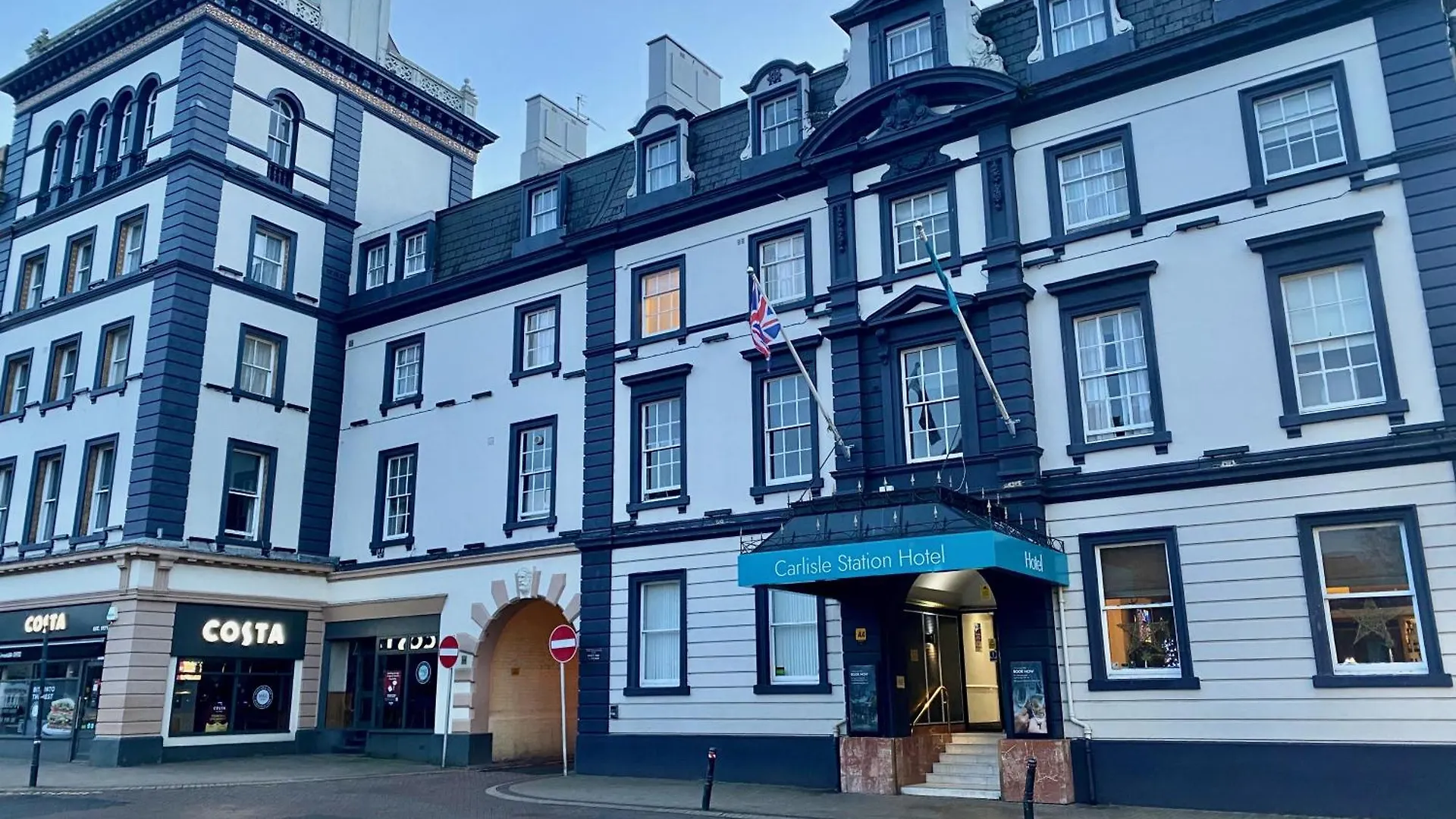
1. Carlisle Station Hotel, Sure Hotel Collection By BW
Show on map


 Check-infrom 15:00 until 23:59Check-outuntil 11:00
Rooms filling fast – secure the best rate!
from£ 51
-
2. Sunset House
Show on map


 Check-infrom 15:00 until 21:00Check-outfrom 07:00 until 10:00
Hurry – almost gone at this price!
from£ 90
-
3. The Golf Hotel
Show on map


 Check-infrom 14:00 until 22:00Check-outuntil 10:00
Best price guarantee
from£ 98
-
4. Seacote Hotel
Show on map


 Check-infrom 15:30 until 21:30Check-outuntil 10:00
Rooms filling fast – secure the best rate!
from£ 49
-
5. Red Dragon Inn
Show on map


 Check-infrom 15:00 until 22:00Check-outuntil 11:00
Just a few rooms left at the best rate!
from£ 73
-
6. Howard Arms
Show on map


 Check-infrom 15:00 until 23:59Check-outuntil 11:00
Just a few rooms left at the best rate!
from£ 103
-
7. Heather Glen Country House
Show on map


 Check-infrom 16:00 until 23:00Check-outfrom 09:00 until 10:00
Best price guarantee
from£ 187
-
8. Newby Bridge Country Caravan Park
Show on map


 Check-infrom 16:00 until 23:30Check-outuntil 10:00
Hurry – almost gone at this price!
from£ 133
-
9. Lowbyer Manor Country House
Show on map


 Check-infrom 15:00 until 22:00Check-outfrom 08:00 until 10:00
Rooms filling fast – secure the best rate!
from£ 89
Best Premium Stays
These properties offer stronger amenity packages, more distinctive settings, or higher-rated dining and wellness facilities - suited to travellers who want their hotel to be part of the Cumbrian experience, not just a functional overnight stop.
-
1. Royal Oak Appleby
Show on map


 Check-infrom 15:00 until 22:00Check-outfrom 08:00 until 11:00
Just a few rooms left at the best rate!
from£ 93
-
2. Grange Hotel
Show on map


 Check-infrom 15:00 until 23:59Check-outfrom 07:00 until 11:00
Hurry – almost gone at this price!
from£ 87
-
3. The Crooklands, BW Signature Collection
Show on map


 Check-infrom 15:00 until 23:00Check-outfrom 07:00 until 11:00
Best price guarantee
from£ 94
-
13. Georgian House Hotel
Show on map


 Check-infrom 16:00 until 22:00Check-outfrom 07:00 until 10:00
Just a few rooms left at the best rate!
from£ 147
-
5. Kirkstile Inn
Show on map


 Check-infrom 15:00 until 22:30Check-outfrom 08:00 until 11:00
Hurry – almost gone at this price!
from£ 166
-
6. Forest Side Hotel
Show on map


 Check-infrom 15:00 until 21:30Check-outfrom 07:00 until 11:00
Rooms filling fast – secure the best rate!
from£ 335
Smart Travel & Timing Advice For Cumbria
The Lake District core - Grasmere, Ambleside, Windermere - operates at near-full capacity from late June through August, and prices at well-positioned properties in these villages can rise around 40% compared to shoulder season rates. Late September through October is widely considered the best balance point in Cumbria: autumn colour on the fells is at its peak, crowds thin significantly after the school summer holiday period, and many hotels maintain summer-level facilities while dropping prices. The Cumbrian coast (St Bees, Silloth, Whitehaven) and eastern towns (Appleby, Alston, Brampton) see less seasonal pressure and remain bookable with shorter lead times throughout the year. For the Lake District itself, booking at least 8 weeks ahead for July and August is realistic minimum planning. A 3-night stay is the practical minimum to justify the travel time to Cumbria from most UK cities and to cover meaningful ground - whether that's a core Lakes walking circuit, the Hadrian's Wall corridor, or the full western coastal route from Whitehaven to Silloth.