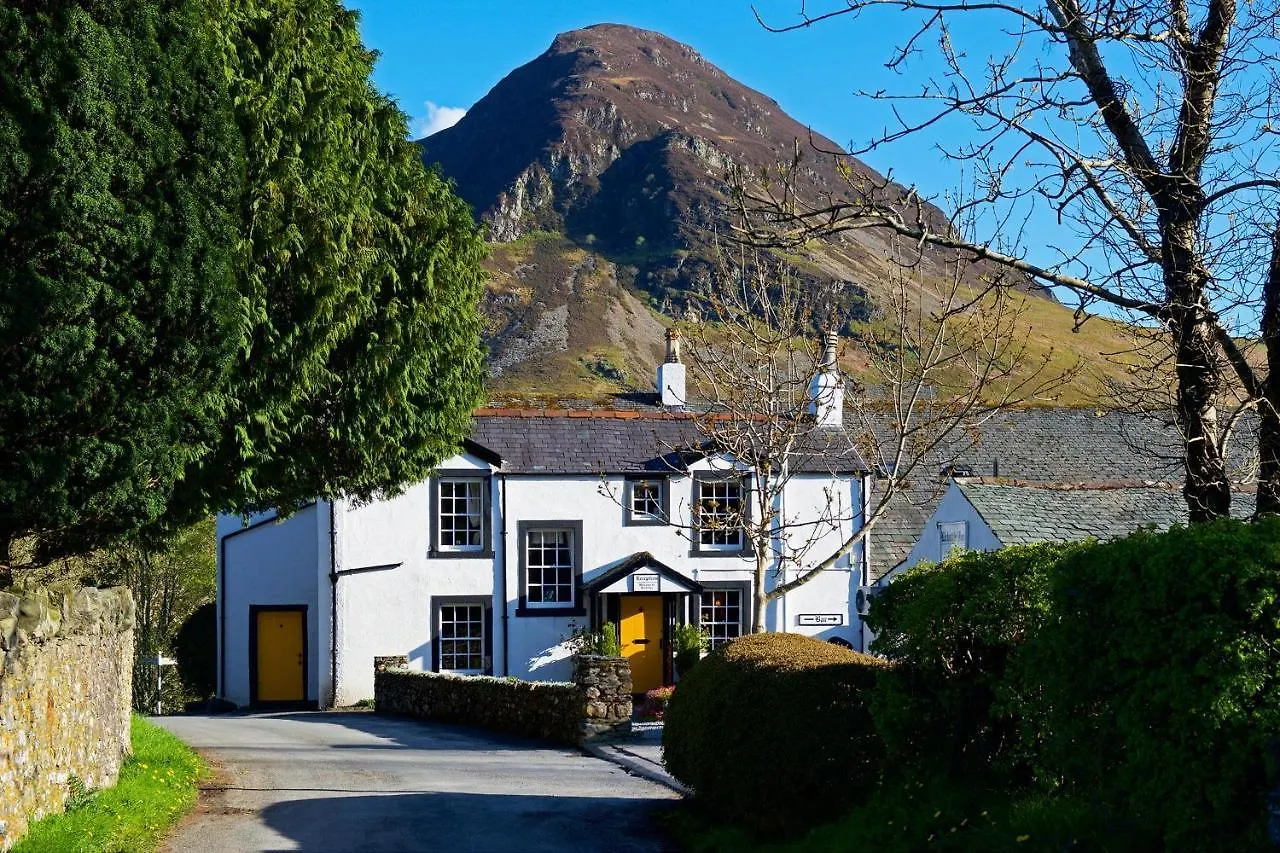
The Lake District draws around 19 million visitors annually, making it England's most visited national park - and choosing where to stay here directly shapes your entire experience. Whether you're based in a market town like Kendal or Sedbergh, a coastal gateway like St Bees, or a riverside village like Appleby, your hotel's location determines which trails, lakes, and attractions you can realistically reach each day. This guide compares 15 centrally located hotels across the region to help you make a well-informed booking decision.
What It's Like Staying in the Lake District
The Lake District is England's largest national park, covering around 2,362 square kilometres of fells, lakes, and market towns across Cumbria. Car travel is essential for most visitors - public transport links between villages are limited outside of the Windermere and Keswick corridors, and many trailheads are only reachable by road. Crowds concentrate heavily around Windermere, Bowness, and Ambleside from April through October, while quieter western and northern areas like Loweswater and Ravenstonedale see far fewer visitors year-round.
Walkers, cyclists, and outdoor enthusiasts gain the most from basing themselves here, particularly those planning multi-day routes along the Coast to Coast, the Cumbria Way, or Wainwright's fells. City travellers expecting urban conveniences may find the region's limited evening dining and restricted transport frustrating, particularly in smaller villages. Booking 8 to 10 weeks in advance is strongly recommended for peak summer and bank holiday weekends.
Pros:
- Unmatched access to England's finest fell walking and lake scenery, with Scafell Pike, Helvellyn, and Ullswater all within the national park
- A wide geographic spread of accommodation types - from coastal hotels in St Bees to spa hotels near Penrith - means you can tailor your base to your planned activities
- Many properties offer locally sourced food, real ale bars, and full English breakfasts that reflect genuine Cumbrian character
Cons:
- A personal vehicle is practically mandatory - rural bus services are infrequent and do not serve most walking routes or smaller villages
- Peak season (July to August) brings significant congestion on the A591 and A592, adding time to even short journeys between key destinations
- Mobile and internet connectivity can be unreliable in western and northern parts of the national park, including Loweswater and Ravenstonedale
Why Choose Centrally Located Hotels in the Lake District
Centrally located hotels in the Lake District sit within or on the immediate edge of the national park, in towns and villages that give you efficient access to multiple key attractions without driving excessive distances. Unlike hotels positioned on motorway corridors primarily for transit, these properties place you within reach of the fells, lakes, and heritage sites that make the region worth visiting. Prices vary significantly by location - a spa hotel near Penrith off the M6 typically commands a premium over a traditional inn in Sedbergh or Kirkby Lonsdale, but the latter often delivers more authentic character and local atmosphere.
Room sizes across the region's inns and country hotels tend to be generous compared to urban equivalents, though older coaching inns and B&Bs may have lower ceilings and narrower corridors. Around 60% of the hotels in this selection serve full English or locally sourced breakfasts on-site, which is a practical advantage when you're starting early for a full day on the fells. Trade-offs include limited evening entertainment in smaller villages and the need to plan ahead for dinner in off-season months when some restaurants operate reduced hours.
Pros:
- Positioned for day trips to multiple lakes, fells, and heritage sites without the need to relocate mid-trip
- Many include free private parking - a significant practical benefit given the Lake District's limited and paid public car parks near popular trailheads
- On-site bars serving local ales and restaurants using Cumbrian produce add genuine regional value beyond just accommodation
Cons:
- Smaller inns and B&Bs in villages may not offer 24-hour front desks, room service, or late check-in flexibility
- Proximity to popular walking areas means demand spikes sharply on weekends, limiting last-minute availability and pushing prices upward
- Some properties in heritage buildings have limited disabled access, narrow staircases, and no lifts - always worth checking before booking
Practical Booking & Area Strategy for the Lake District
The Lake District's geography divides naturally into distinct zones, and your choice of base should match your priorities. Kendal and Penrith are the most practical gateway towns - both have direct rail links, motorway access via the M6, and enough local amenities to support a full trip without a car for initial arrival. From Kendal, Lake Windermere is a 15-minute drive, while Penrith places you within 10 minutes of Ullswater and under 30 minutes from Keswick and Skiddaw. For hikers targeting the western fells - Scafell Pike, Wastwater, or Great Gable - properties near Wasdale or on the West Cumbrian coast reduce daily driving significantly.
Carlisle, positioned just north of the national park, works well as a value base with genuine transport infrastructure: the train station connects to the Settle-Carlisle railway and the West Coast Main Line. The market towns of Appleby-in-Westmorland and Kirkby Lonsdale suit travellers combining Lake District walking with Yorkshire Dales exploration, as both sit within reach of multiple national park boundaries. Sedbergh, the UK's official Book Town, offers quiet village atmosphere within the Yorkshire Dales while remaining around 30 minutes from Windermere. For coastal access combined with national park proximity, St Bees on the West Cumbrian Coast is the starting point of the Coast to Coast Walk and sits just 6 miles from the park boundary - practical for those beginning or ending long-distance routes.
Best Value Stays
These properties deliver strong practical value across the Lake District and its gateway towns, combining good access to the national park with on-site dining, free parking, and well-equipped rooms at competitive price points.
-
1. Kirkstile Inn
Show on map


 Check-infrom 15:00 until 22:30Check-outfrom 08:00 until 11:00
Hurry – almost gone at this price!
from£ 166
-
2. Carlisle Station Hotel, Sure Hotel Collection By BW
Show on map


 Check-infrom 15:00 until 23:59Check-outuntil 11:00
Hurry – almost gone at this price!
from£ 51
-
3. Seacote Hotel
Show on map


 Check-infrom 15:30 until 21:30Check-outuntil 10:00
Best price guarantee
from£ 49
-
4. Royal Oak Appleby
Show on map


 Check-infrom 15:00 until 22:00Check-outfrom 08:00 until 11:00
Hurry – almost gone at this price!
from£ 93
-
5. Red Dragon Inn
Show on map


 Check-infrom 15:00 until 22:00Check-outuntil 11:00
Just a few rooms left at the best rate!
from£ 73
-
6. The Crooklands, BW Signature Collection
Show on map


 Check-infrom 15:00 until 23:00Check-outfrom 07:00 until 11:00
Best price guarantee
from£ 94
-
7. The Black Swan
Show on map


 Check-infrom 16:00 until 23:00Check-outfrom 07:00 until 11:00
Rooms filling fast – secure the best rate!
from£ 94
-
8. Heather Glen Country House
Show on map


 Check-infrom 16:00 until 23:00Check-outfrom 09:00 until 10:00
Rooms filling fast – secure the best rate!
from£ 187
-
9. Holiday Inn Express - Barrow-In-Furness & South Lakes By Ihg
Show on map


 Check-infrom 15:00 until 23:59Check-outuntil 11:00
Rooms filling fast – secure the best rate!
from£ 80
-
10. The Dalesman Country Inn
Show on map


 Check-infrom 15:00 until 22:00Check-outfrom 07:00 until 11:00
Just a few rooms left at the best rate!
from£ 53
-
11. Howard Arms
Show on map


 Check-infrom 15:00 until 23:59Check-outuntil 11:00
Hurry – almost gone at this price!
from£ 103
Best Premium Stays
These properties add meaningful upgrades - spa facilities, award-winning restaurants, swimming pools, or landmark settings - that justify a higher room rate for guests prioritising comfort and on-site experience alongside Lake District access.
-
1. Grange Hotel
Show on map


 Check-infrom 15:00 until 23:59Check-outfrom 07:00 until 11:00
Best price guarantee
from£ 87
-
2. Castle Green Hotel In Kendal, BW Premier Collection
Show on map


 Check-infrom 14:00 until 23:30Check-outfrom 06:00 until 11:00
Just a few rooms left at the best rate!
from£ 102
-
3. North Lakes Hotel And Spa
Show on map


 Check-infrom 15:00 until 23:59Check-outuntil 11:00
Just a few rooms left at the best rate!
from£ 95
-
4. The Inn At Ravenglass
Show on map


 Check-infrom 15:00 until 22:00Check-outuntil 10:00
Rooms filling fast – secure the best rate!
from£ 84
Smart Travel & Timing Advice for the Lake District
July and August are the peak months across the Lake District, with Windermere, Ambleside, and Keswick experiencing significant visitor volumes and road congestion on the A591 corridor. Accommodation availability drops sharply from June, and many well-reviewed properties - particularly smaller inns and country hotels - fill up around 10 weeks in advance for summer weekends and bank holidays. Prices during peak season can run noticeably higher than the same room in October or March, making shoulder season visits significantly better value without meaningful compromise on weather.
Late September through October offers a strong combination of quieter roads, autumn colour on the fells, and good walking conditions. Spring (April to May) balances reasonable prices with long daylight hours and lower crowd density - particularly effective for walkers wanting popular routes like Helvellyn or the Langdale Pikes without the summer queues at car parks. A minimum stay of three nights is recommended for most visitors to make meaningful use of the region's geographic spread; two nights is sufficient only for guests with a very specific itinerary focused on one area. Last-minute bookings can occasionally yield availability at larger chain properties like the Holiday Inn Express in Barrow or the North Lakes Hotel and Spa, but smaller inns and B&Bs in this guide are unlikely to have rooms available at short notice during May through September.