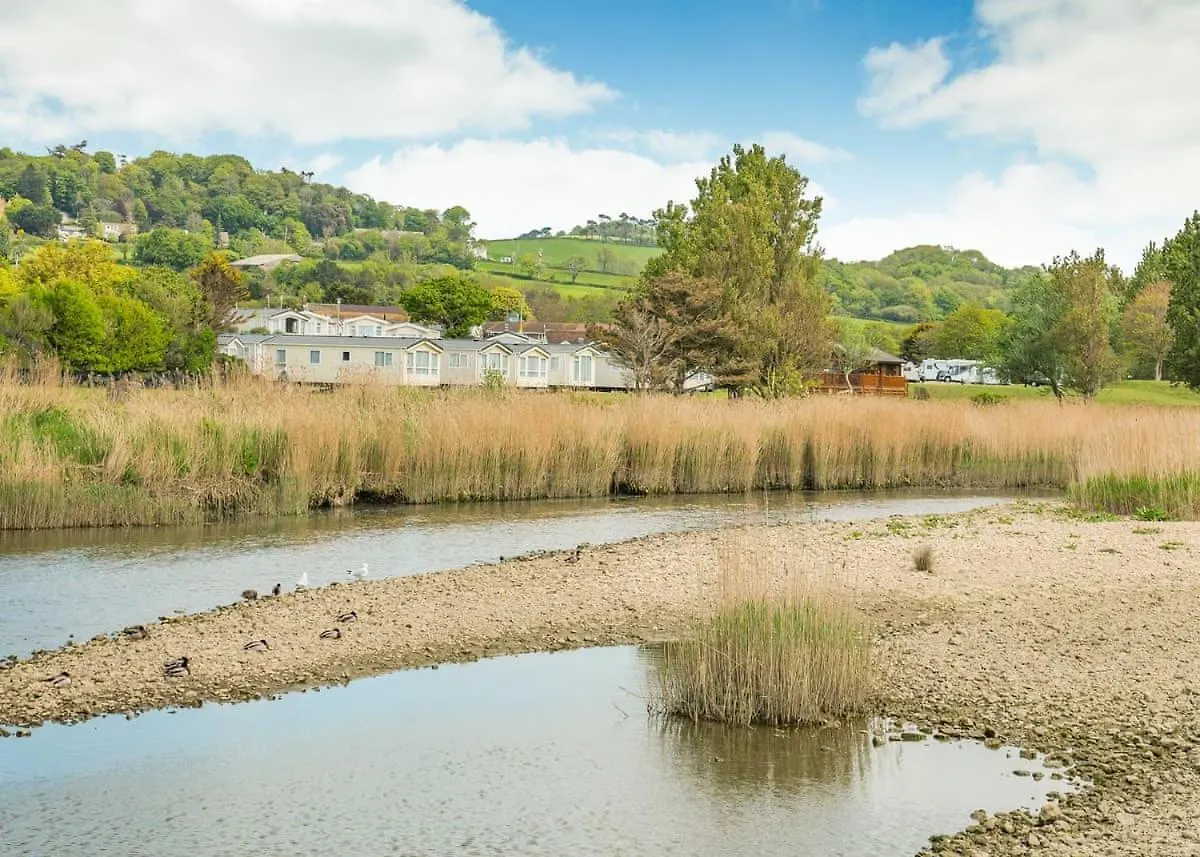
Charmouth Heritage Coast Centre sits at the heart of one of Britain's most fossil-rich stretches of the Jurassic Coast - a UNESCO World Heritage Site where guided fossil walks and tide-dependent beach access shape how visitors plan their days. Staying within reach of the Centre means you can time your visits around the tidal schedule and walk to the beach without depending on a car. This guide compares six centrally located properties across Charmouth and nearby Lyme Regis to help you choose the right base for your trip.
What It's Like Staying Near Charmouth Heritage Coast Centre
The area around Charmouth Heritage Coast Centre is a quiet, village-scale coastal setting - not a resort town. The Centre itself sits close to the mouth of the River Char, with direct access to Charmouth Beach, where fossil hunting on the foreshore is the main draw. Tidal timing dictates activity here, meaning accommodation within walking distance of the beach genuinely changes how much you can do. Most of the village's amenities - a handful of cafés, the local shop, and the Heritage Coast Centre - are reachable on foot, but Lyme Regis, around 3 km west, provides a wider range of restaurants and evening options.
Why Choose Central Hotels Near Charmouth Heritage Coast Centre
Central properties near Charmouth Heritage Coast Centre tend to be self-catering holiday homes or smaller guesthouses rather than large hotel chains - a reflection of the village's scale and the predominantly family and naturalist crowd it attracts. Self-catering options allow you to pack fossil gear, adjust meal times around tidal walks, and store beach finds without worrying about hotel corridors. Lyme Regis properties, roughly 3 km away, sit in a slightly more animated setting with sea views and evening dining within walking distance, which suits those who want fossil access by day and a livelier atmosphere after dark.
Practical Booking & Area Strategy
For the closest access to the Heritage Coast Centre and the fossil beach, properties on or near Charmouth's Lower Sea Lane and Bridge Road put you within genuine walking distance of the foreshore - no car needed for early-morning low-tide walks. Lyme Regis-based properties on the Marine Parade and town centre area add around 10-15 minutes by car but gain sea views, The Cobb, and the Dinosaurland Fossil Museum within 500 metres. The B3052 connects Charmouth and Lyme Regis, and local buses run between the two, though services are infrequent outside peak season. Beyond fossils, nearby attractions include the Undercliff National Nature Reserve, Golden Cap (the highest point on England's south coast), and Lyme Regis Front Beach. Book at least 6 weeks ahead for summer visits - Charmouth's limited accommodation stock means properties near the beach sell out faster than larger coastal resorts.
Best Value Stays
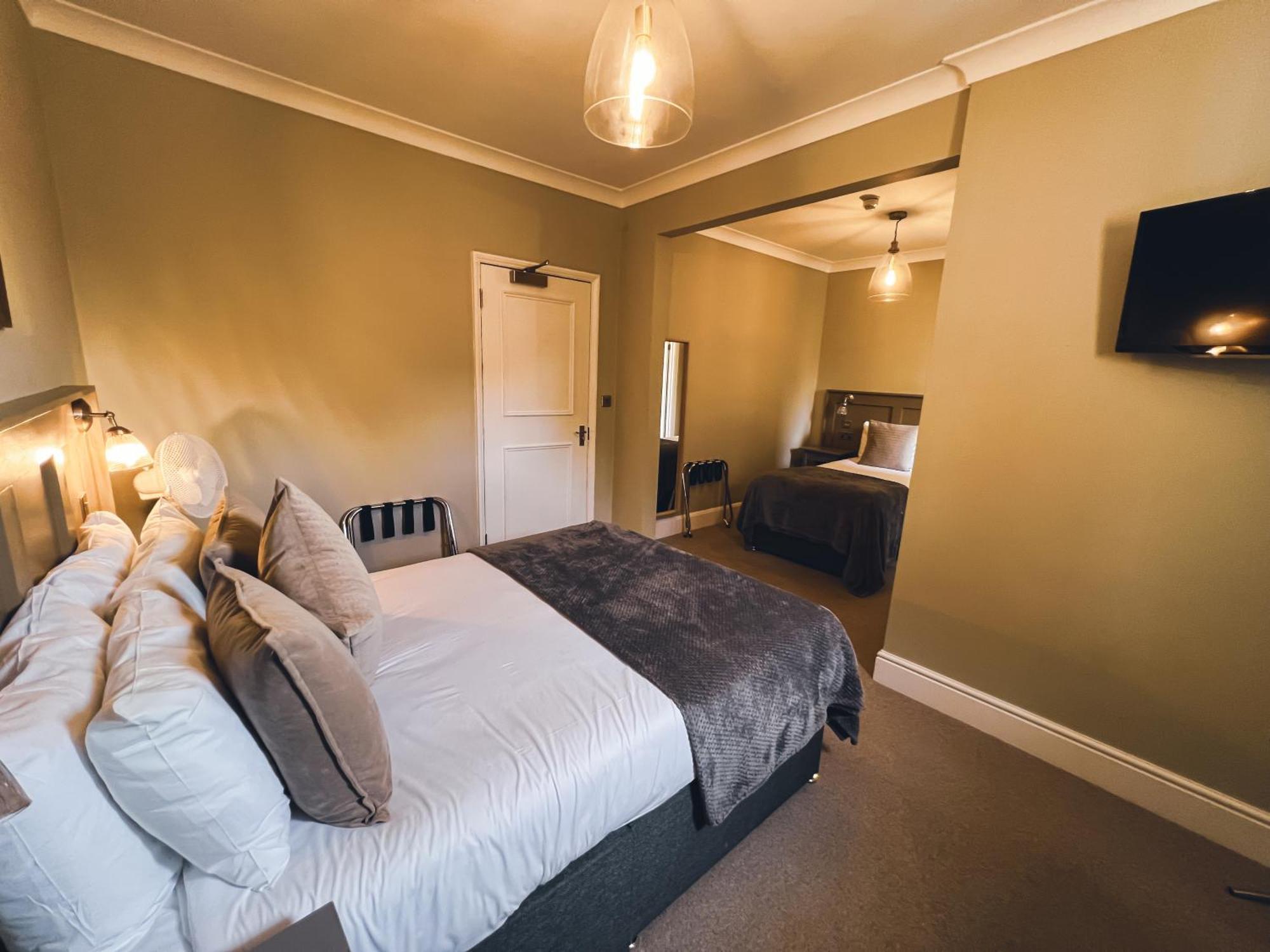
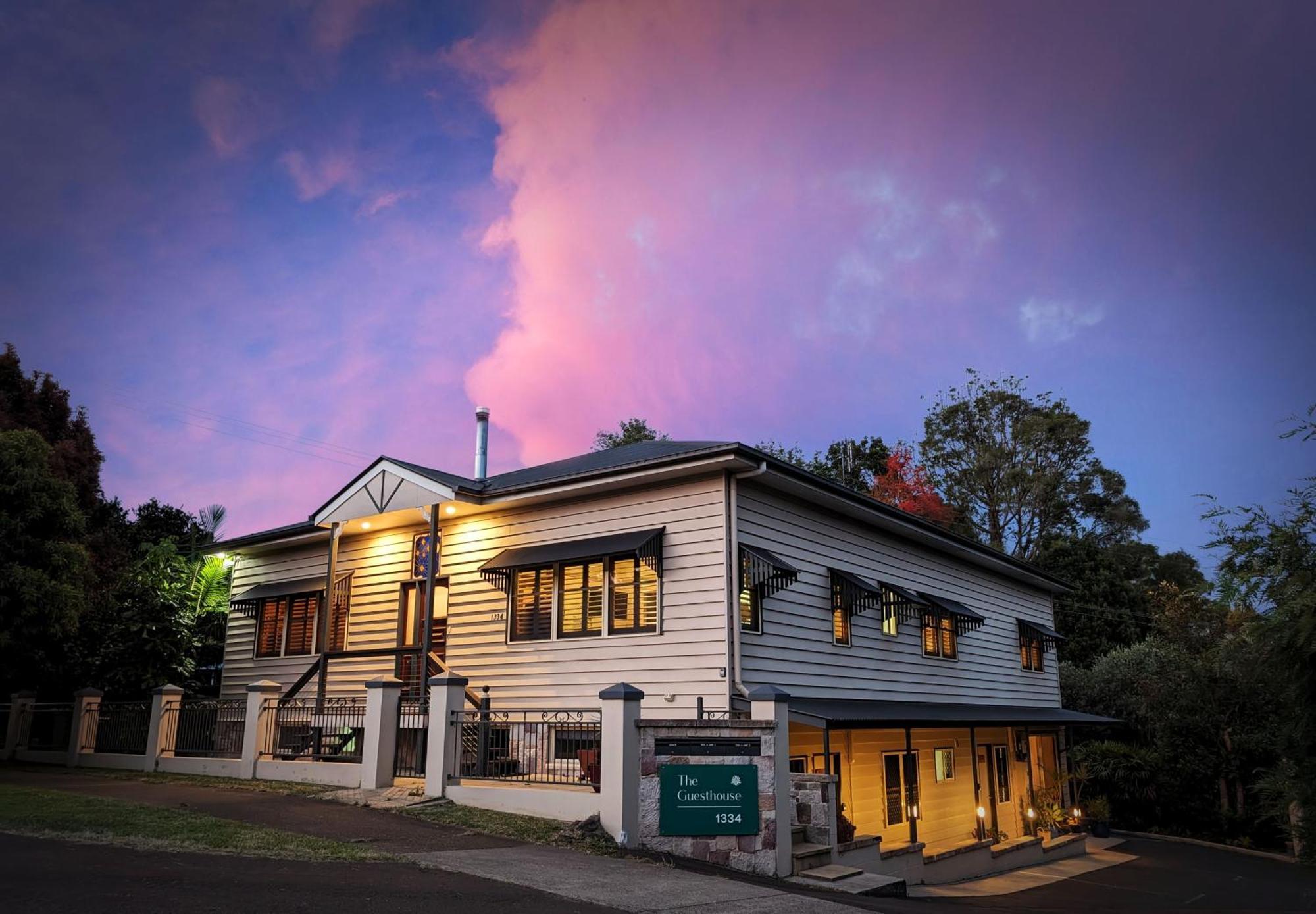
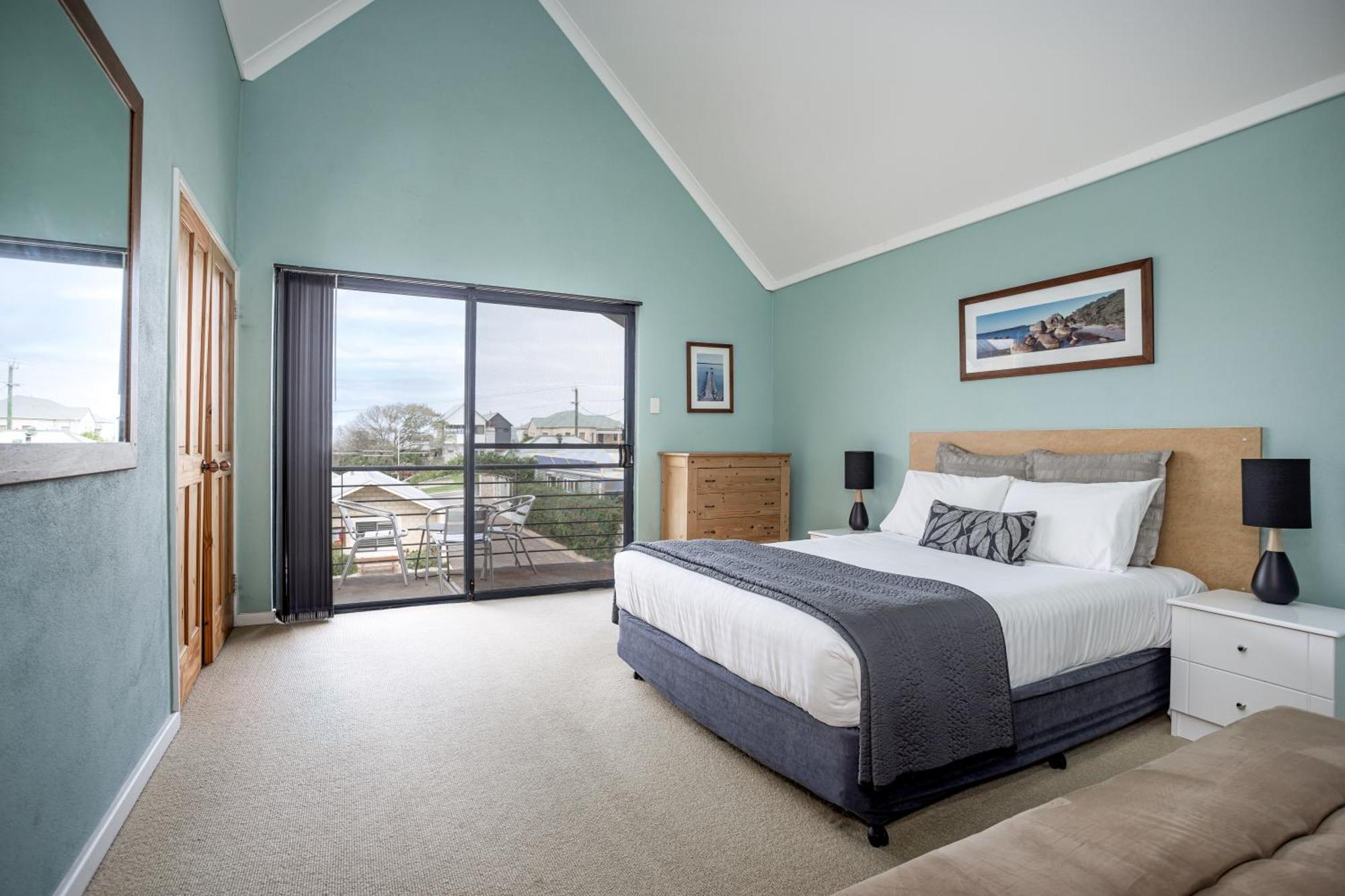
These properties offer practical self-catering setups with solid proximity to the Jurassic Coast, suited to visitors prioritising access over premium finishes.
-
1. Seadown Park
Show on map


 Check-infrom 16:00 until 20:00Check-outuntil 09:00
Just a few rooms left at the best rate!
from£ 119
-
2. 1 Coppers Knapp
Show on map


 Check-infrom 16:00 until 23:59Check-outuntil 10:00
Just a few rooms left at the best rate!
from£ 193
-
3. Dolphin Cottage Lyme Regis
Show on map


 Check-infrom 16:00 until 22:00Check-outfrom 09:00 until 10:00
Hurry – almost gone at this price!
from£ 175
-
4. Sundial House
Show on map


 Check-infrom 17:00 until 23:59Check-outuntil 10:00
Hurry – almost gone at this price!
from£ 651
Best Premium Stays
These two properties offer more distinctive features - a private pool, hotel-style facilities, or historic character - for visitors willing to pay above the standard self-catering rate in this area.
-
5. The Mariners Hotel
Show on map


 Check-infrom 15:00 until 23:30Check-outfrom 07:00 until 11:00
Rooms filling fast – secure the best rate!
from£ 61
-
6. Coombehayes Barn
Show on map


 Check-infrom 16:00 until 23:59Check-outuntil 10:00
Rooms filling fast – secure the best rate!
from£ 544
Smart Travel & Timing Advice
The Charmouth and Lyme Regis area peaks sharply in July and August, when the Heritage Coast Centre's fossil walks are fully booked and beach parking fills before 10am. Properties within walking distance of Charmouth Beach become especially scarce during this window - expect to book around 8 weeks ahead for summer visits. May, June, and September offer a more balanced experience: the fossil beach is accessible, guided walks still operate, and pricing across self-catering properties tends to be noticeably lower than peak rates. Winter visits (November to February) bring the highest storm activity, which actually exposes fresh fossil material from the cliffs - a genuine draw for serious collectors, though some local facilities reduce hours. A minimum of two nights is worth building in to catch at least one low-tide window on the fossil foreshore, which typically shifts by roughly 50 minutes per day and requires forward planning.