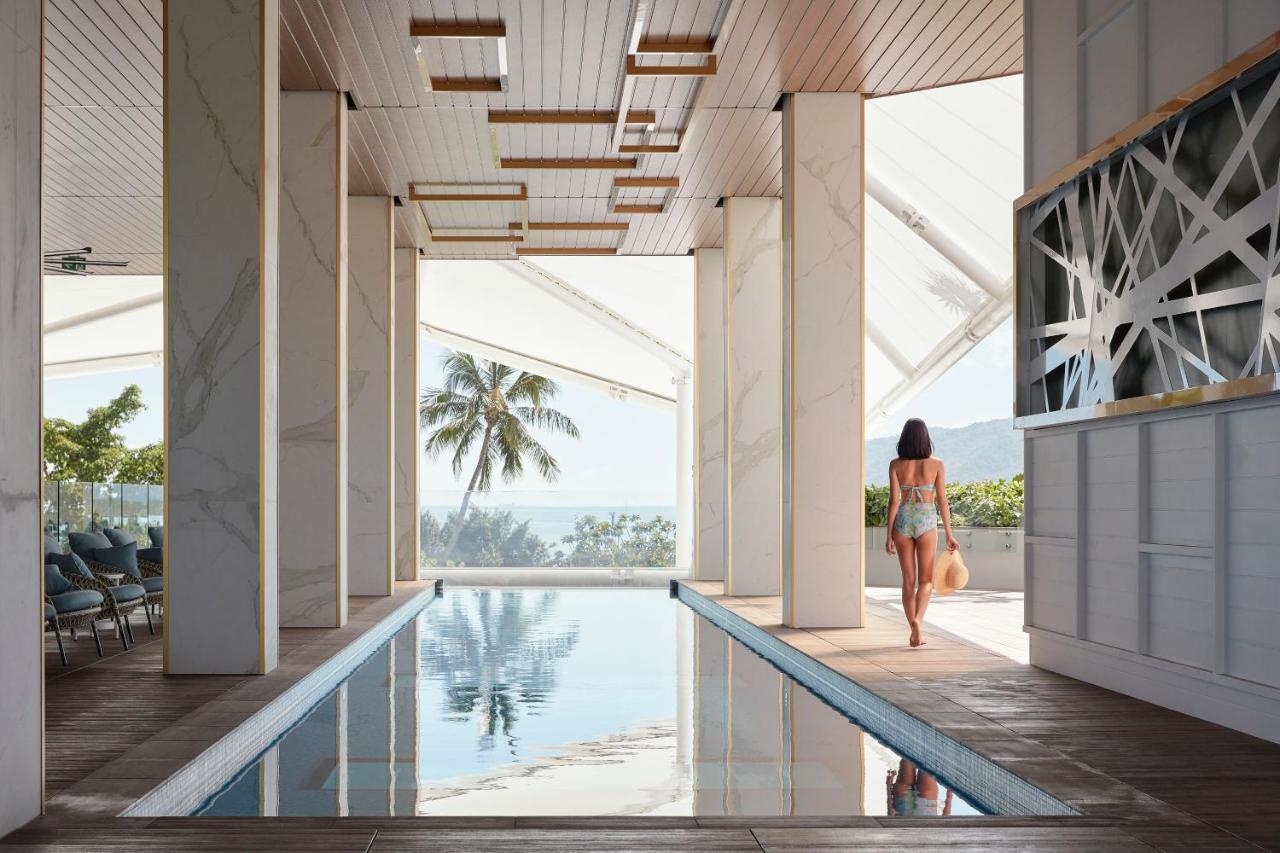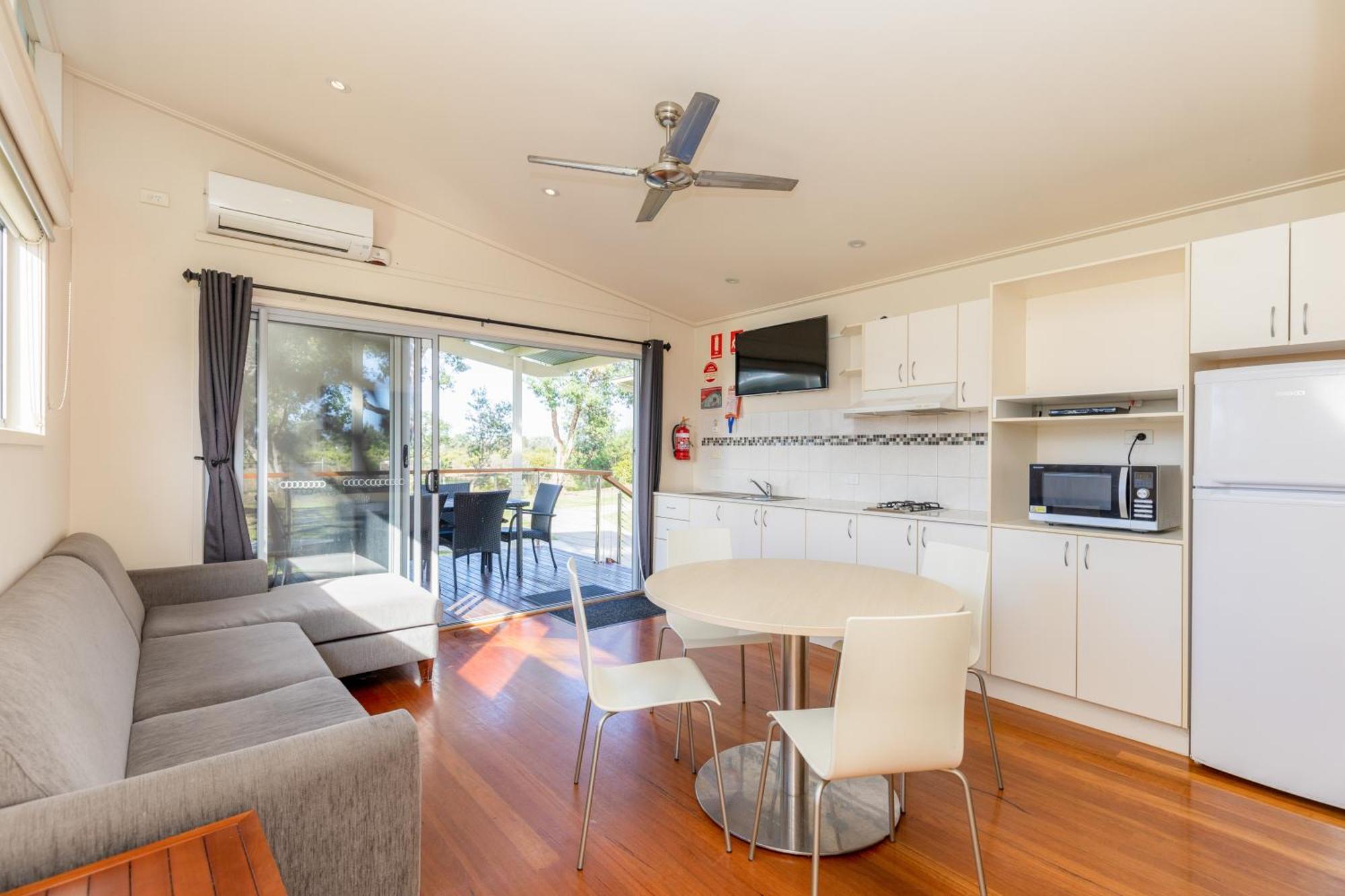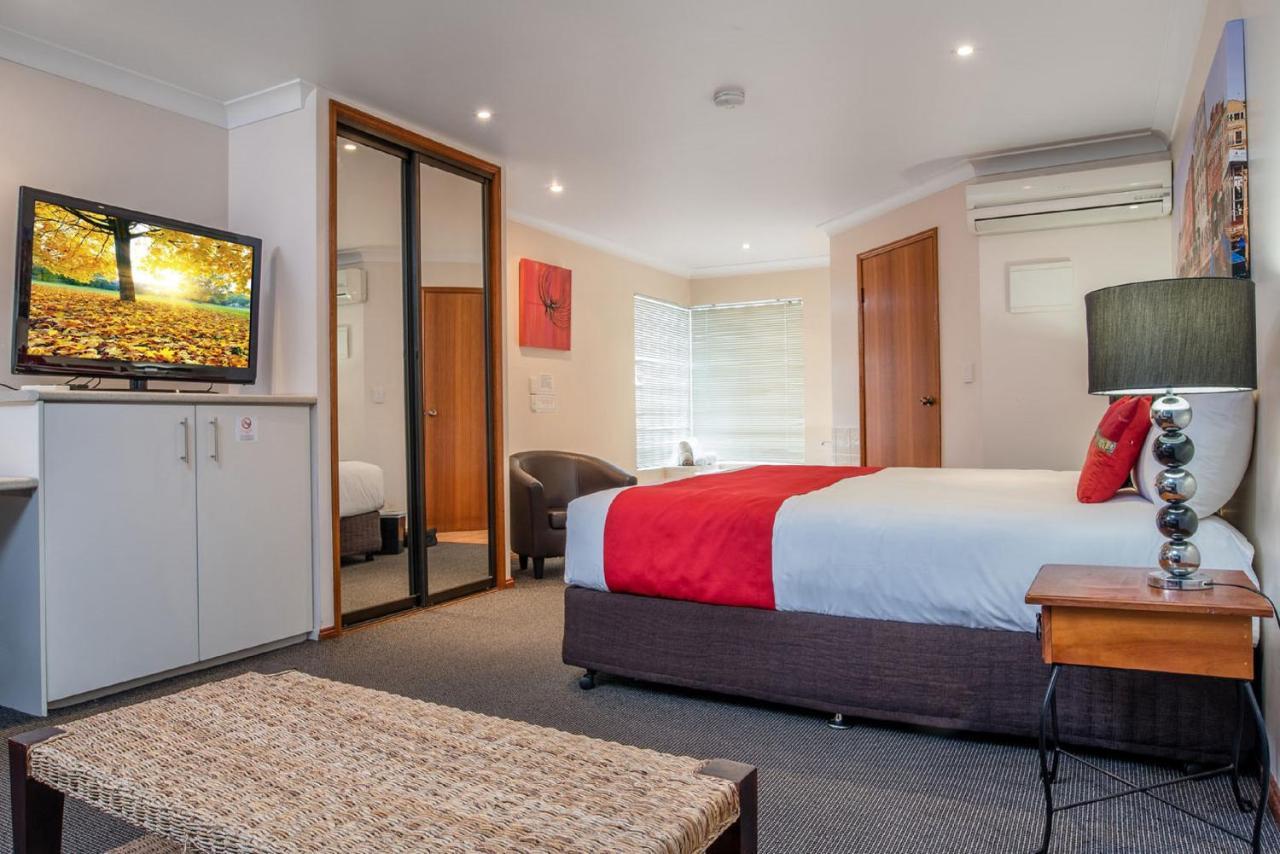
Australia spans an enormous variety of landscapes - tropical rainforest in Far North Queensland, alpine terrain in Victoria, desert outback in the Northern Territory, and surf coastline in New South Wales - making the choice of where and how to stay genuinely consequential. These 10 hotels stand out for their consistently high comfort ratings across different regions, from Darwin to Hobart, giving travellers a reliable benchmark when comparing properties across such a geographically diverse country.
What It's Like Staying in Australia
Australia rewards those who plan accommodation strategically. Each region functions almost as a separate destination: the tropical north operates on a wet/dry season rhythm, the east coast draws backpackers and surfers, and Tasmania moves at a slower, more intimate pace. Distances between cities are vast - flying between Sydney and Cairns takes around 3 hours - so choosing where to base yourself matters far more than in compact European countries. Urban centres like Melbourne and Sydney have dense hotel markets with strong competition on price and comfort, while regional towns such as Bright in Victoria or Gundagai in New South Wales offer far fewer options but a very different atmosphere.
Crowd patterns vary sharply by region. The Great Barrier Reef and tropical north peak between June and October (the dry season), while ski-adjacent areas in the Victorian Alps fill up in July and August. Coastal towns along NSW and Queensland attract domestic tourists during Australian school holidays, which fall in January, April, July, and September. Booking at least 6 weeks ahead during these windows is standard practice, not just a precaution.
Pros:
- Exceptional geographic diversity means you can combine reef, rainforest, wine country, and city in a single trip
- Strong consumer protections and high hygiene standards across accommodation categories
- Domestic flight network makes multi-city itineraries genuinely feasible
Cons:
- Internal distances inflate transport costs significantly - car hire or flights between regions add up fast
- Regional towns often have limited last-minute availability, especially during school holidays
- Tropical regions require seasonal planning - the wet season (November to April in the north) limits outdoor activities considerably
Why Choose High Comfort-Rated Hotels in Australia
In Australia, comfort ratings in guest reviews tend to reflect specific, measurable factors: air conditioning quality (critical given the climate range), bed quality, noise insulation, and bathroom fittings. Properties that score highly on comfort across booking platforms have typically invested in these areas beyond the baseline expected at their star rating. This matters particularly in Australia because the gap between a 4-star and 5-star experience can be smaller than in Europe, while the gap between a well-reviewed and poorly-reviewed property at the same star level can be substantial.
Comfort-rated hotels in Australia typically price at a around 20% premium over same-category hotels with average scores, but that gap translates into tangible differences: thicker mattresses, effective blackout curtains, functioning air conditioning in tropical humidity, and bathrooms that are genuinely well-maintained. In cities like Melbourne and Darwin, this premium is often justified by proximity to transport and reduced street noise. In resort areas like Byron Bay or the Margaret River region, comfort ratings correlate more closely with room size, private outdoor space, and pool access.
Pros:
- Verified comfort scores reduce the risk of booking a property that underperforms on sleep quality or climate control
- High-rated properties across Australia tend to maintain more consistent service even during peak periods
- Many top-comfort properties include practical amenities like full kitchens or laundry - essential for longer stays
Cons:
- Premium-comfort hotels in coastal resort areas often have minimum stay requirements during peak season
- Top-rated properties in regional locations (Bright, Gundagai) book out months in advance for holiday weekends
- Some high-comfort boutique options lack on-site dining, requiring car access or meal planning
Practical Booking & Area Strategy
For first-time visitors to Australia, Melbourne and Sydney anchor most itineraries, but the most strategically useful base depends entirely on your travel intent. Darwin is the gateway to Kakadu National Park and the Tiwi Islands, and its compact CBD means hotels within a few kilometres of the centre still offer genuine convenience. Cairns is the practical base for the Great Barrier Reef and the Daintree Rainforest - staying within the city centre keeps transfers to reef departure points and the airport manageable. Hobart is Tasmania's hub, with Battery Point and Sullivan's Cove walkable from almost all central hotels and offering direct access to Salamanca Market, MONA's ferry, and Mount Wellington drives.
For less obvious choices: Bright in Victoria's Alpine region is a standout for autumn foliage (late April to mid-May), cycling along the Murray to Mountains Rail Trail, and proximity to Mount Hotham ski fields. The Margaret River region in Western Australia combines world-class surfing at Margaret River Mouth with around 200 cellar doors within a 30-minute drive. Lennox Head in NSW sits 15 minutes south of Byron Bay but with dramatically lower prices and Seven Mile Beach essentially on the doorstep. Byron Bay itself commands a significant price premium - particularly during New Year and Easter - making nearby Lennox Head a logical alternative for the same coastal access. For road-trippers on the Hume Highway between Sydney and Melbourne, Gundagai sits at a convenient midpoint with far less competition for rooms than either city.
Tropical North & Northern Territory
Cairns and Darwin represent Australia's two most distinct tropical bases, each suited to different travel styles. Cairns is reef- and rainforest-focused with strong international tourism infrastructure, while Darwin is more remote, culturally layered, and serves as the jump-off point for Kakadu - one of Australia's most significant national parks.
-
1. Crystalbrook Flynn
Show on map


 Check-infrom 14:00 until 23:59Check-outuntil 11:00
Hurry – almost gone at this price!
fromAU$ 190
-
2. Hudson Berrimah
Show on map


 Check-infrom 14:00 until 19:00Check-outuntil 10:00
Best price guarantee
fromAU$ 211
East Coast: Melbourne, Byron Bay & Lennox Head
Australia's east coast concentrates the most diverse range of comfort-rated hotels, from Melbourne's serviced apartment towers to Byron Bay's boutique adult-only retreats and Lennox Head's beachfront resort apartments. Each serves a fundamentally different travel scenario, and price differentials between these locations are significant.
-
3. Quest Southbank
Show on map


 Check-infrom 14:00 until 23:59Check-outuntil 10:00
Hurry – almost gone at this price!
fromAU$ 159
-
4. Oakwood Premier Melbourne
Show on map


 Check-infrom 15:00 until 23:59Check-outuntil 11:00
Just a few rooms left at the best rate!
fromAU$ 183
-
5. Swell Hotel Byron Bay - Adults Only
Show on map


 Check-infrom 15:00 until 23:59Check-outuntil 11:00
Rooms filling fast – secure the best rate!
fromAU$ 473
-
6. Lennox Beach Resort
Show on map


 Check-infrom 15:00 until 23:59Check-outuntil 10:00
Just a few rooms left at the best rate!
fromAU$ 218
Regional Escapes: Margaret River, Bright, Gundagai & Hobart
Away from the major east coast cities, Australia's most distinctive comfort-rated hotels sit in wine regions, alpine valleys, and historic Tasmanian streetscapes. These properties serve travellers looking for a specific regional experience rather than urban convenience - and they tend to book out well in advance during their respective peak seasons.
-
7. Grand Mercure Basildene Manor
Show on map


 Check-infrom 15:00 until 19:00Check-outfrom 08:00 until 12:00
Just a few rooms left at the best rate!
fromAU$ 435
-
8. Hara House
Show on map


 Check-infrom 14:00 until 17:00Check-outfrom 08:00 until 10:00
Rooms filling fast – secure the best rate!
fromAU$ 297
-
9. Tuckerbox Motor Inn
Show on map


 Check-infrom 14:00 until 23:59Check-outuntil 10:00
Best price guarantee
fromAU$ 138
-
10. Lenna Of Hobart
Show on map


 Check-infrom 14:00 until 23:59Check-outuntil 11:00
Best price guarantee
fromAU$ 220
Smart Travel & Timing Advice
Australia's sheer size means there is no single optimal travel season - the best time depends entirely on region. For the Great Barrier Reef and Cairns, June through October delivers dry weather, calm seas, and the most reliable snorkelling and diving conditions. Darwin and the Northern Territory follow the same dry-season logic, with Kakadu National Park accessible by standard vehicle only between May and October. Tasmania is best visited between November and March - the Southern Ocean winter is genuinely harsh, and most outdoor highlights including the Overland Track require good weather windows. The Margaret River wine region draws visitors year-round, but the harvest period (February to April) adds a specific experiential layer for wine-focused travellers.
On pricing, Australia's domestic holiday periods - particularly January and the two weeks around Easter - push rates up significantly at coastal and resort properties. Byron Bay and Lennox Head both see rate increases of around 40% during these windows compared to shoulder-season rates. Melbourne and Hobart are less affected by school holiday pricing but have their own demand spikes around major events (Melbourne Cup in November, Dark Mofo in Hobart in June). Booking 8 weeks in advance for peak periods at high-comfort properties is the practical minimum - the most popular rooms (ocean-view, suites with bathtubs, beachfront-facing balconies) sell out significantly earlier. For regional properties like Hara House in Bright during autumn foliage season or Grand Mercure Basildene Manor during the Margaret River Marathon weekend, advance booking windows extend to several months.