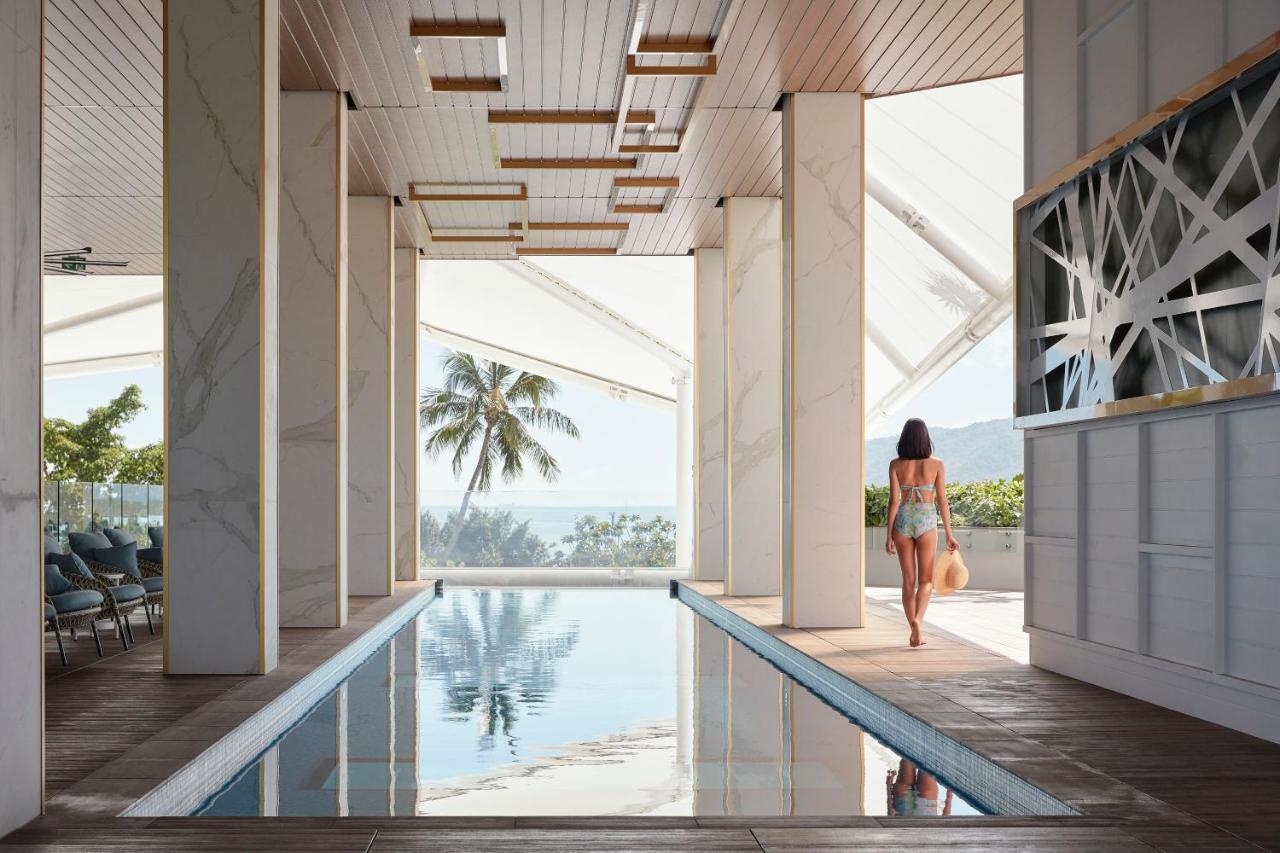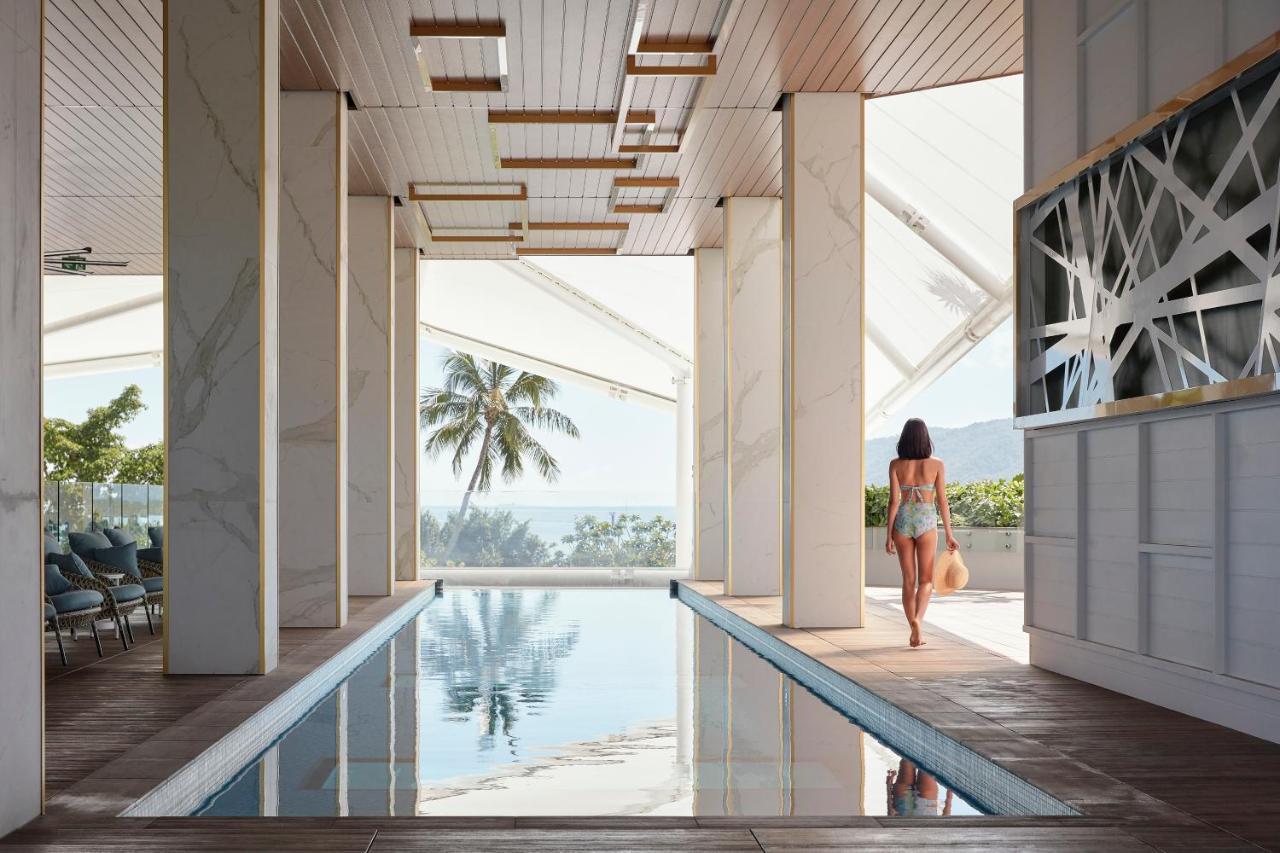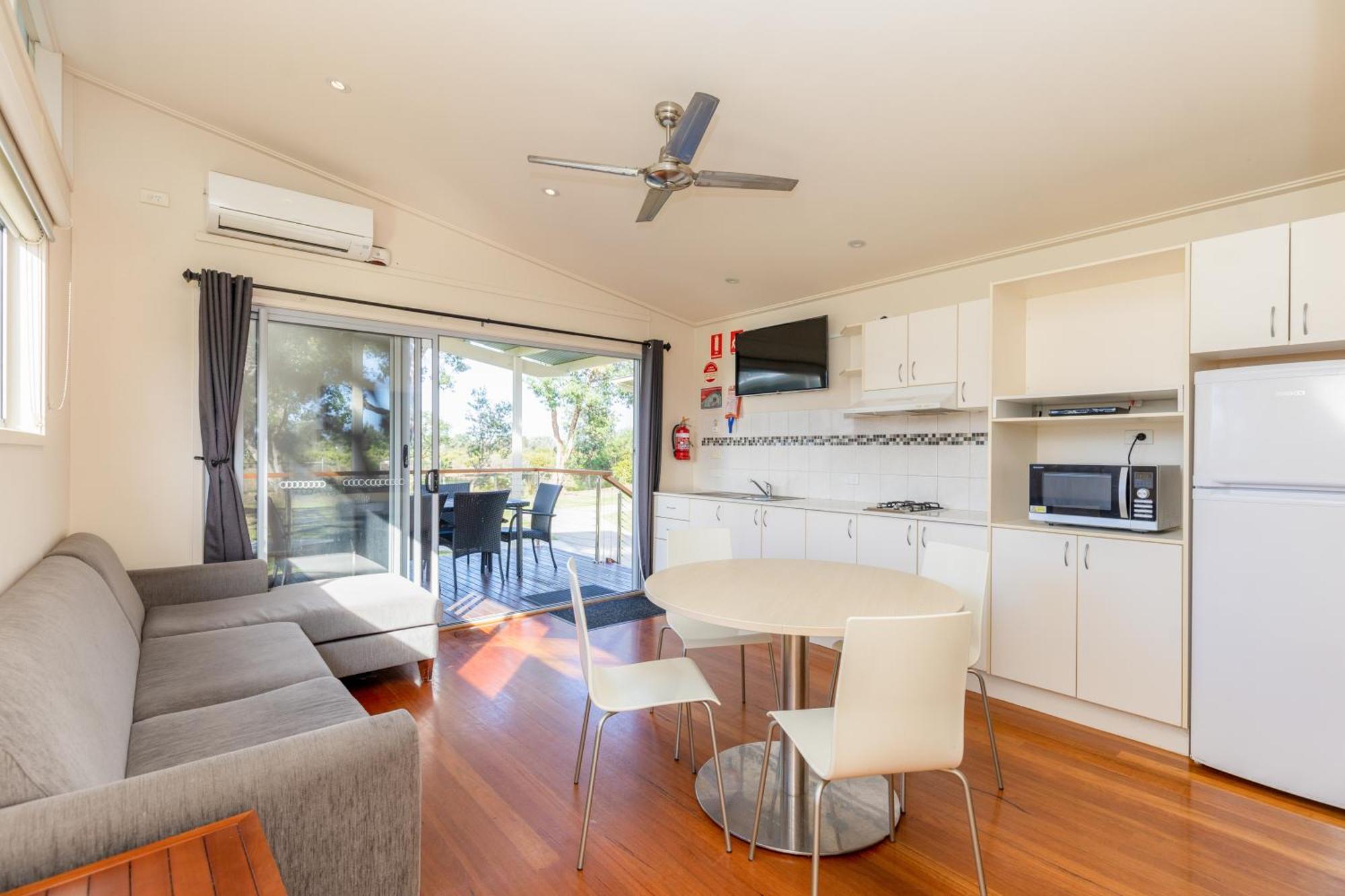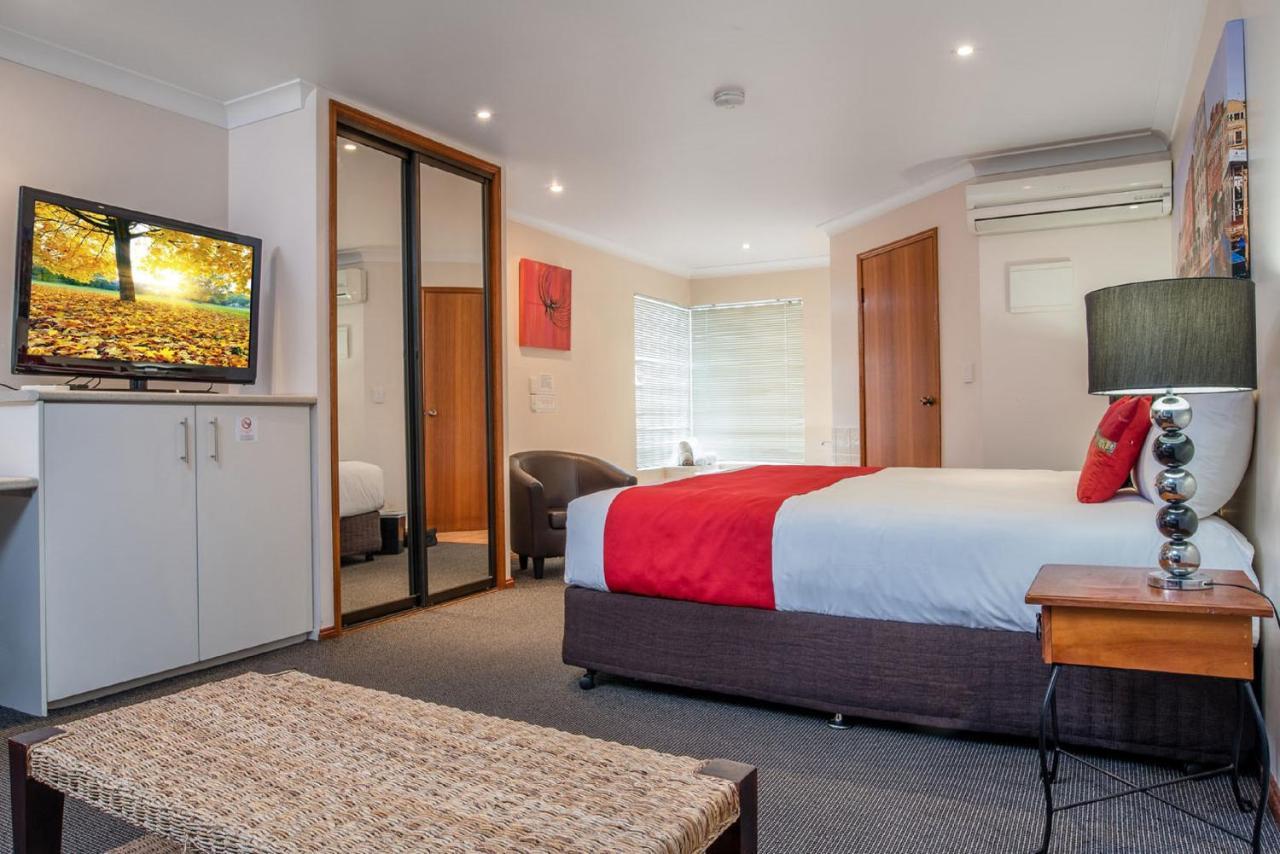
Australia's sheer size means your hotel choice carries real weight - a well-equipped property in the wrong city can cost you hours of daily travel. This guide focuses on five hotels across Australia with consistently high facility ratings, covering the tropical north in Darwin, the wine-soaked southwest at Margaret River, the heritage waterfront of Hobart, the alpine village of Bright, and the coastal adults-only scene of Byron Bay. Each property has been selected on the strength of its on-site amenities, not just its location, giving you a clear picture of what you're actually getting before you book.
What It's Like Staying in Australia
Australia covers around 7.7 million square kilometres, meaning the experience of staying here varies dramatically depending on where you book - a hotel in Darwin operates in a tropical monsoon climate, while one in Hobart sits within 90 minutes of active ski fields. Domestic distances are genuinely vast, and most travellers underestimate how long transfers between cities or regions actually take. The country rewards those who concentrate their stay in one region rather than trying to cover multiple states in a single trip.
Tourism peaks hard between December and February along the coasts, while alpine areas like the Victorian High Country around Bright draw visitors from June through August for ski season. Urban centres like Sydney and Melbourne attract business and leisure travellers year-round, but regional properties in wine or nature destinations often offer better value and fewer crowds outside school holiday periods.
Pros:
- Exceptional natural diversity within a single country - rainforest, reef, desert, alpine terrain, and wine regions are all accessible without crossing a border
- Hotel facilities standards are high nationally, with even regional properties regularly offering pools, parking, and quality dining
- Australia's café and food culture means breakfast and dining options at or near most hotels are genuinely strong
Cons:
- Internal flights between states add significant cost and time, making multi-region itineraries expensive
- Peak season school holiday periods (December-January, April, July) spike hotel prices sharply in coastal and ski destinations
- Remote and regional properties often require a rental car - public transport connections outside major cities are limited
Why Choose a High-Facility Hotel in Australia
In Australia, a hotel's on-site facilities matter more than in many other countries precisely because of the distances involved - when the nearest restaurant is 15 kilometres away or the beach requires a drive, having a pool, bar, and dining on-site changes the daily experience significantly. Top-rated facility hotels in regional Australia often serve as self-contained retreats, which is part of their appeal in destinations like Margaret River or Bright. The trade-off is that these properties typically sit outside town centres, requiring a car for anything beyond the hotel grounds.
Compared to standard accommodation, hotels rated highly for facilities in Australia typically offer outdoor pools, wellness areas, parking, and on-site restaurants as a baseline rather than a premium add-on. Nightly rates for well-equipped regional properties generally run around 20% higher than standard options in the same area, but the value calculation shifts when you factor in saved meal and transport costs. In cities like Darwin, aparthotel-style properties with kitchens and pools provide strong practical value for stays longer than three nights.
Pros:
- On-site pools, restaurants, and parking reduce daily logistics in areas where everything requires a car
- Wellness facilities (hot tubs, spas, saunas) are common at regional boutique hotels and add genuine recovery value for active itineraries involving hiking or skiing
- High-facility hotels in wine regions and nature destinations often include curated local experiences - bike hire, tennis, guided access - that lower-grade properties don't offer
Cons:
- The best-equipped regional properties are rarely walkable to town centres, committing you to driving or taxis for evening meals outside the hotel
- Spa and wellness facilities at boutique regional hotels often require advance booking and may carry additional fees not reflected in the room rate
- During peak Australian holiday periods, high-facility hotels in coastal or alpine areas sell out weeks in advance, limiting last-minute availability
Practical Booking & Area Strategy for Australia
Darwin is the entry point for Kakadu National Park and the Tiwi Islands, and its hotel market is strongly seasonal - the dry season from May to October sees occupancy spike and rates climb sharply, while the wet season from November to April offers better pricing but limits access to some outdoor attractions. Hobart anchors a Tasmania itinerary well: Salamanca Market, MONA (Museum of Old and New Art), and the Huon Valley wine region are all reachable within a day from a Battery Point base. Margaret River positions you within a 90-minute radius of around 200 cellar doors, plus surfing beaches and limestone cave systems, making it one of Australia's most concentrated activity regions relative to its size.
For nature-focused travellers, Bright in the Victorian Alps sits at the intersection of the Ovens Valley cycling trails and ski fields at Mount Hotham and Falls Creek - both within a 45-minute drive. Byron Bay operates as a coastal wellness destination rather than a standard beach resort town, with a distinct adults-oriented scene that differs from the Gold Coast or Sunshine Coast. Booking 8 to 10 weeks ahead for any regional Australian property during school holidays is not cautious - it's necessary, as mid-tier and premium regional hotels regularly fill to capacity during those windows.
Hotels in Alpine & Wine Regions
Properties in Bright and Margaret River represent two of Australia's most facility-rich regional destinations - one centred on alpine outdoor activity, the other on wine, surf, and caves. Both require a car and reward longer stays of at least three nights to justify the drive.
-
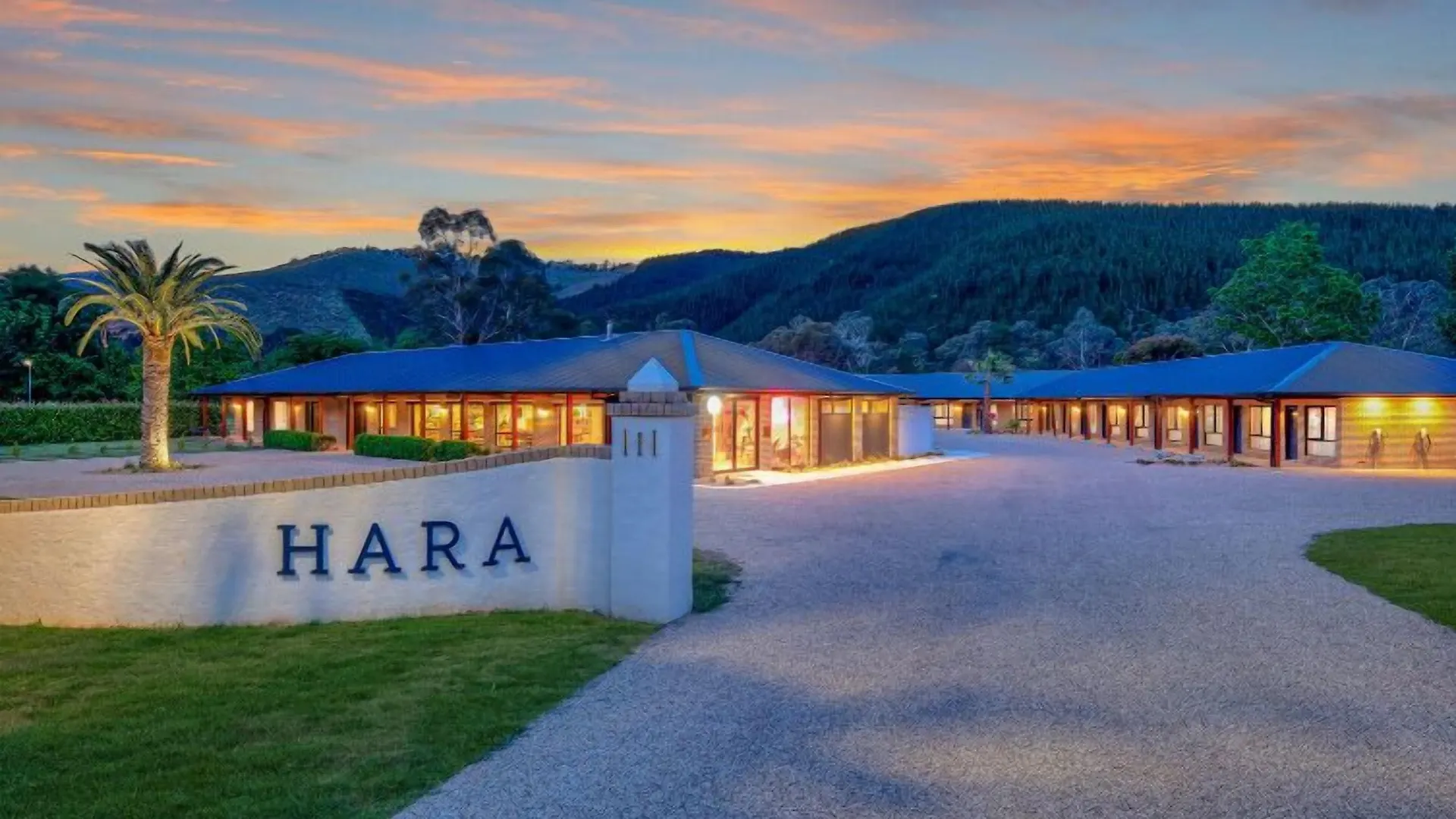
1. Hara House
Show on map


 Check-infrom 14:00 until 17:00Check-outfrom 08:00 until 10:00
Just a few rooms left at the best rate!
fromAU$ 297
-
2. Grand Mercure Basildene Manor
Show on map


 Check-infrom 15:00 until 19:00Check-outfrom 08:00 until 12:00
Just a few rooms left at the best rate!
fromAU$ 435
Hotels in Coastal & Urban Destinations
Darwin, Hobart, and Byron Bay represent three distinctly different Australian stay experiences - a tropical northern city, a heritage harbour capital, and an adults-focused coastal wellness town. Facility quality across all three is high, but the use case for each property differs considerably.
-
3. Hudson Berrimah
Show on map


 Check-infrom 14:00 until 19:00Check-outuntil 10:00
Hurry – almost gone at this price!
fromAU$ 211
-
4. Lenna Of Hobart
Show on map


 Check-infrom 14:00 until 23:59Check-outuntil 11:00
Hurry – almost gone at this price!
fromAU$ 220
-
3. Swell Hotel Byron Bay - Adults Only
Show on map


 Check-infrom 15:00 until 23:59Check-outuntil 11:00
Rooms filling fast – secure the best rate!
fromAU$ 473
Smart Travel & Timing Advice for Australia
Australia's travel seasons vary sharply by region, which makes timing advice genuinely destination-specific rather than nationally uniform. For Byron Bay and coastal New South Wales, the shoulder months of March-May and September-November offer the best balance of warm weather, manageable crowds, and lower hotel rates. Darwin's dry season (May to October) is when the city is most accessible and most visited - booking at least 6 weeks ahead for Darwin properties in June and July is advisable, as accommodation fills quickly with both domestic and international travellers heading to Kakadu. Hobart's MONA FOMA festival in January and Dark Mofo in June both compress hotel availability and push rates up across the city, so those periods require very early planning.
For alpine Bright, the ski season from June to September is peak, with long weekends seeing the sharpest price spikes. Margaret River's peak falls over the Australian summer (December-February) and Easter, driven by domestic wine tourism from Perth. Outside these windows, regional properties in both areas often discount meaningfully. A stay of three nights minimum is the practical threshold for regional Australian properties - anything shorter rarely justifies the drive or flight required to reach them, and most activity itineraries in areas like Margaret River or the Victorian Alps genuinely need two full days to cover the highlights.