Reliable free WiFi has become a non-negotiable for most travellers in Australia, whether working remotely from a Sydney apartment, streaming on a coastal holiday, or navigating regional towns where mobile data can drop out unexpectedly. This guide compares four highly rated properties across New South Wales, Queensland, and Victoria's Gippsland coast - covering different budgets, locations, and travel styles - so you can book with confidence.
What It's Like Staying in Australia
Australia spans six states and two major territories, meaning a single trip can take you from the reef-lined Queensland coast to the red desert interior of the Northern Territory, the alpine forests of Victoria, and the urban density of Sydney's CBD - all without leaving the country. Mobile data coverage thins dramatically outside capital cities, making hotel WiFi a practical necessity rather than a luxury, especially in regional destinations like Lake Entrance in Gippsland or Warren in western New South Wales. Crowd patterns vary sharply: Sydney and Brisbane attract year-round international visitors, while coastal and rural properties fill almost entirely during Australian school holidays, which occur around July, September-October, and December-January.
Pros:
- Enormous geographic diversity - beaches, rainforest, outback, and alpine areas all accessible within one country
- Strong infrastructure in capital cities with reliable public transport links to major attractions
- Australian school holiday periods are clearly defined, making it straightforward to plan around peak occupancy
- Internal flight costs are high, and driving distances between regions can exceed 8 hours
- Regional and coastal areas experience sudden demand spikes during holidays, limiting availability
- Mobile connectivity outside metro areas is patchy, making in-room WiFi essential for work and navigation
Why Choose Hotels With Free WiFi in Australia
Hotels in Australia advertising free WiFi vary considerably in actual delivery - urban properties in Sydney's CBD typically offer faster and more consistent connections than regional motor inns or holiday parks, where bandwidth is shared across a larger site. Paying for WiFi add-ons in Australian hotels can add around AU$15-20 per day, making properties with genuinely free and unlimited access meaningfully cheaper over a multi-night stay. Self-contained apartments and villas with in-room kitchenettes - common in this category - also tend to offer better value for longer stays, since guests can reduce food costs while still relying on WiFi for streaming, work, and booking onward travel.
Pros:
- Saves real daily costs compared to paid hotel WiFi or mobile data top-ups in regional Australia
- Self-contained rooms with kitchenettes are frequently bundled alongside free WiFi in this property category
- Supports remote work and digital nomad stays, particularly in Sydney and Brisbane properties with desk setups
- WiFi speed at holiday parks and regional motor inns can be inconsistent during peak occupancy periods
- Free parking is more common in regional properties; urban WiFi hotels in Sydney often charge separately for parking
- Properties with the strongest WiFi ratings tend to book out earliest during school holiday windows
Practical Booking & Area Strategy
Sydney's Darling Harbour precinct positions guests within walking distance of the Australian National Maritime Museum, International Convention Centre, and The Star entertainment complex, making it the strongest base for urban sightseeing combined with reliable connectivity. Brisbane's CBD - particularly around the Mary Street corridor - gives access to South Bank Parklands, Gallery of Modern Art, and river ferry connections, with the added advantage of lower nightly rates than comparable Sydney properties. For something markedly different, Lake Entrance on Victoria's Gippsland Lakes sits roughly 4 hours from Melbourne and offers beach access, the Lake Entrance Aqua Dome, and the Lake Entrance Golf Club within walking distance - making it a genuine coastal escape with none of the capital city price pressure. Warren, in the NSW Macquarie Valley, suits travellers driving inland routes or exploring Outback NSW, with free parking directly outside rooms and a location across the road from the local swimming pool. Book regional properties at least 8 weeks ahead of Australian school holidays to secure availability at advertised rates.
Sydney & Brisbane Hotels With Free WiFi
Urban properties in Sydney and Brisbane offer the fastest and most consistent free WiFi connections, supported by city-grade infrastructure - a key advantage for business travellers and those using streaming services throughout their stay.
-
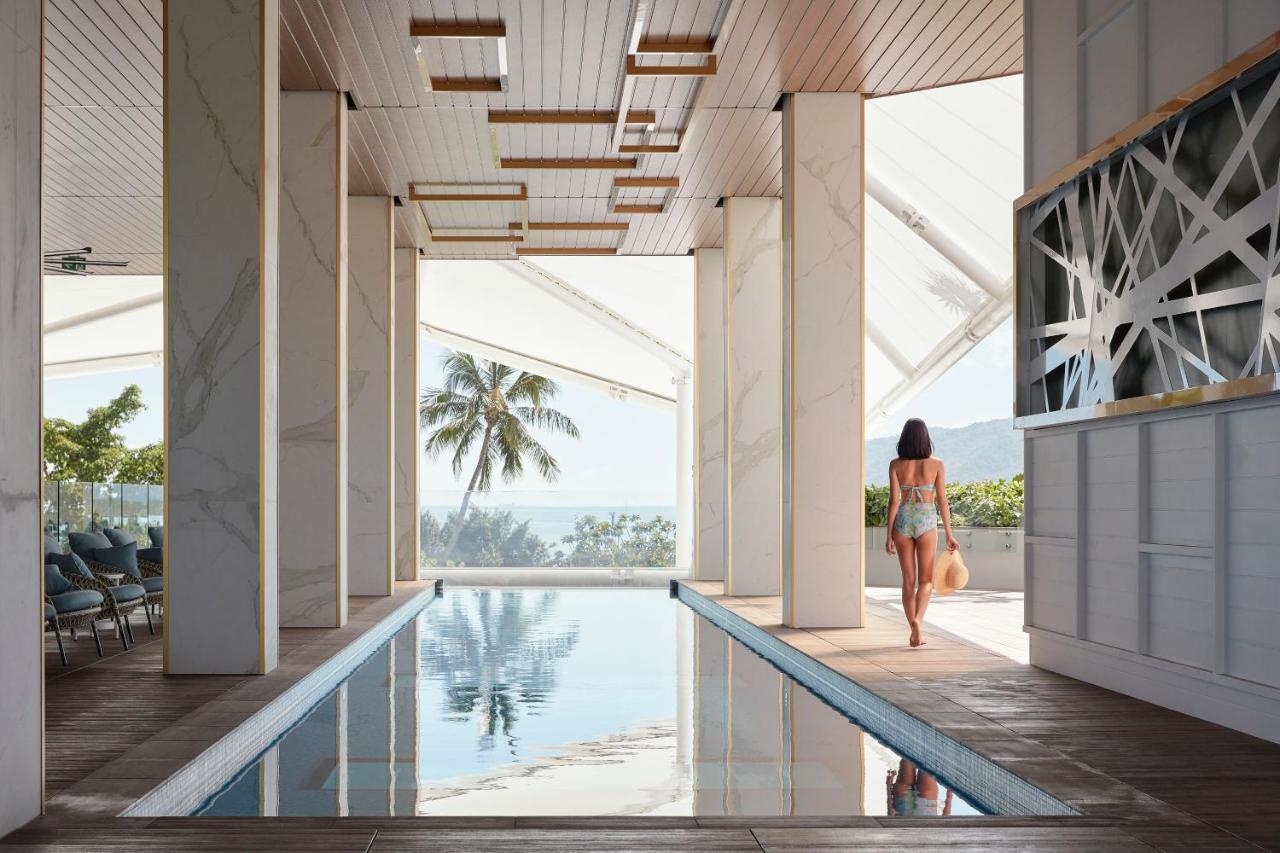
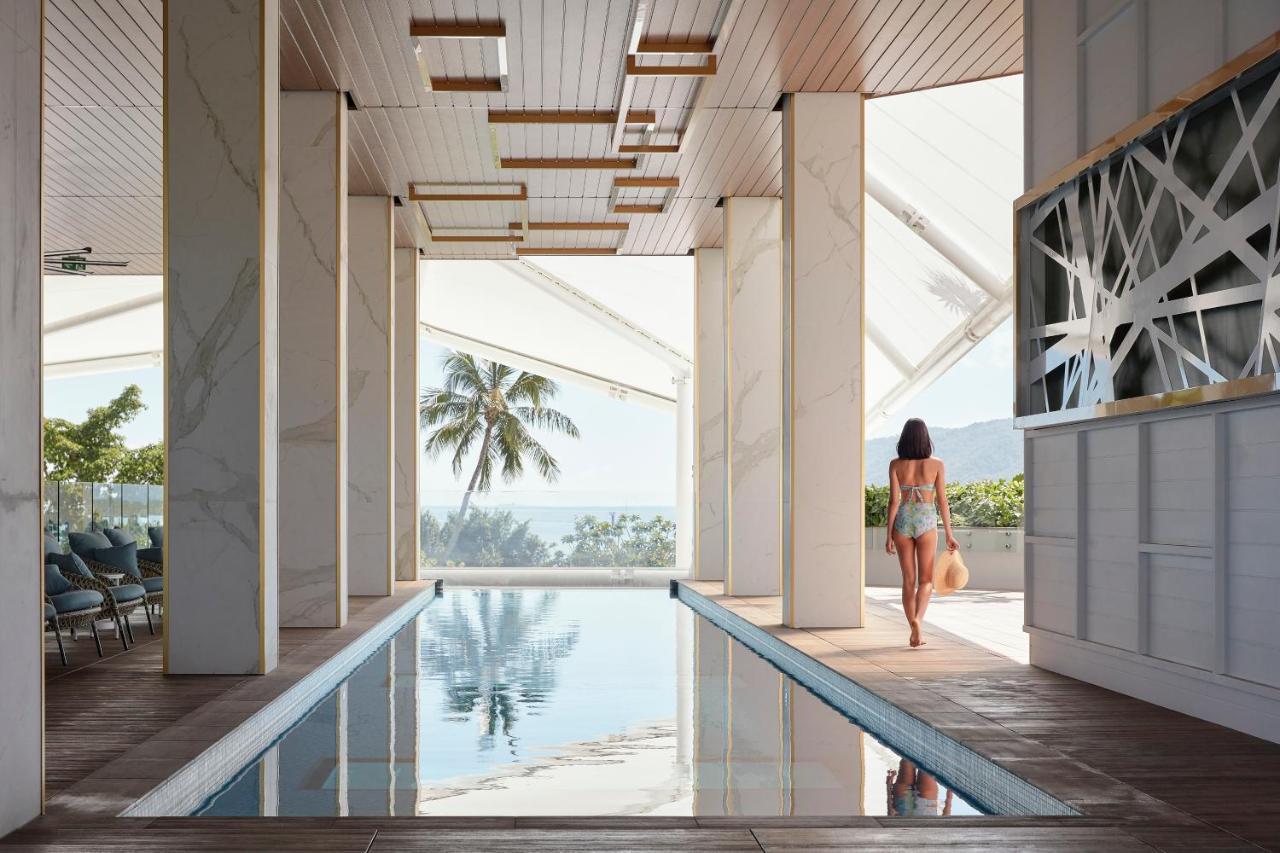
1. Kith Hotel Darling Harbour
Show on map


 Check-infrom 15:00 until 23:00Check-outuntil 10:00
Just a few rooms left at the best rate!
fromAU$ 163
-
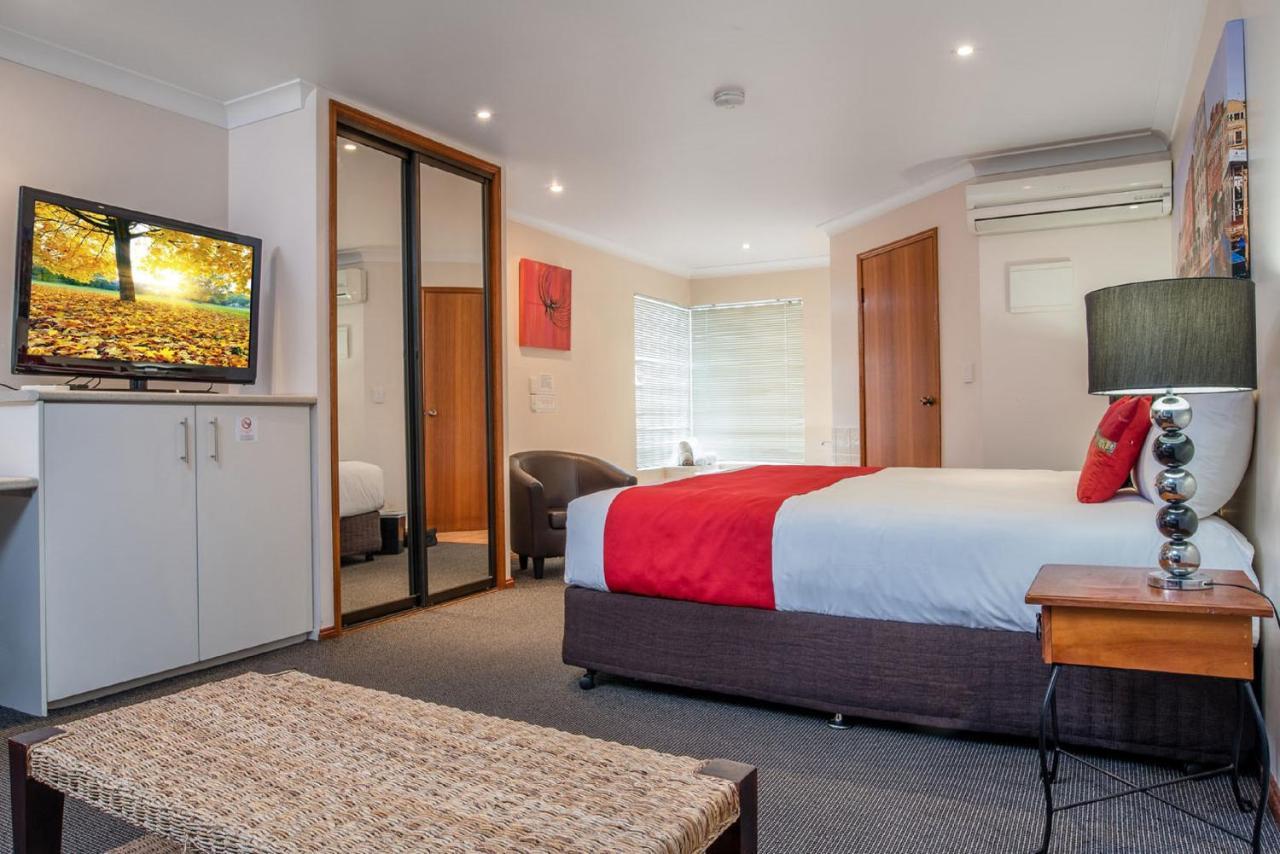
2. Mantra On Mary
Show on map


 Check-infrom 14:00 until 23:00Check-outuntil 10:00
Just a few rooms left at the best rate!
fromAU$ 159
Coastal & Regional Hotels With Free WiFi
Outside Australia's capitals, properties in coastal Gippsland and rural New South Wales offer free WiFi alongside free parking and self-contained amenities - a practical combination for road trip itineraries where mobile data reliability cannot be taken for granted.
-
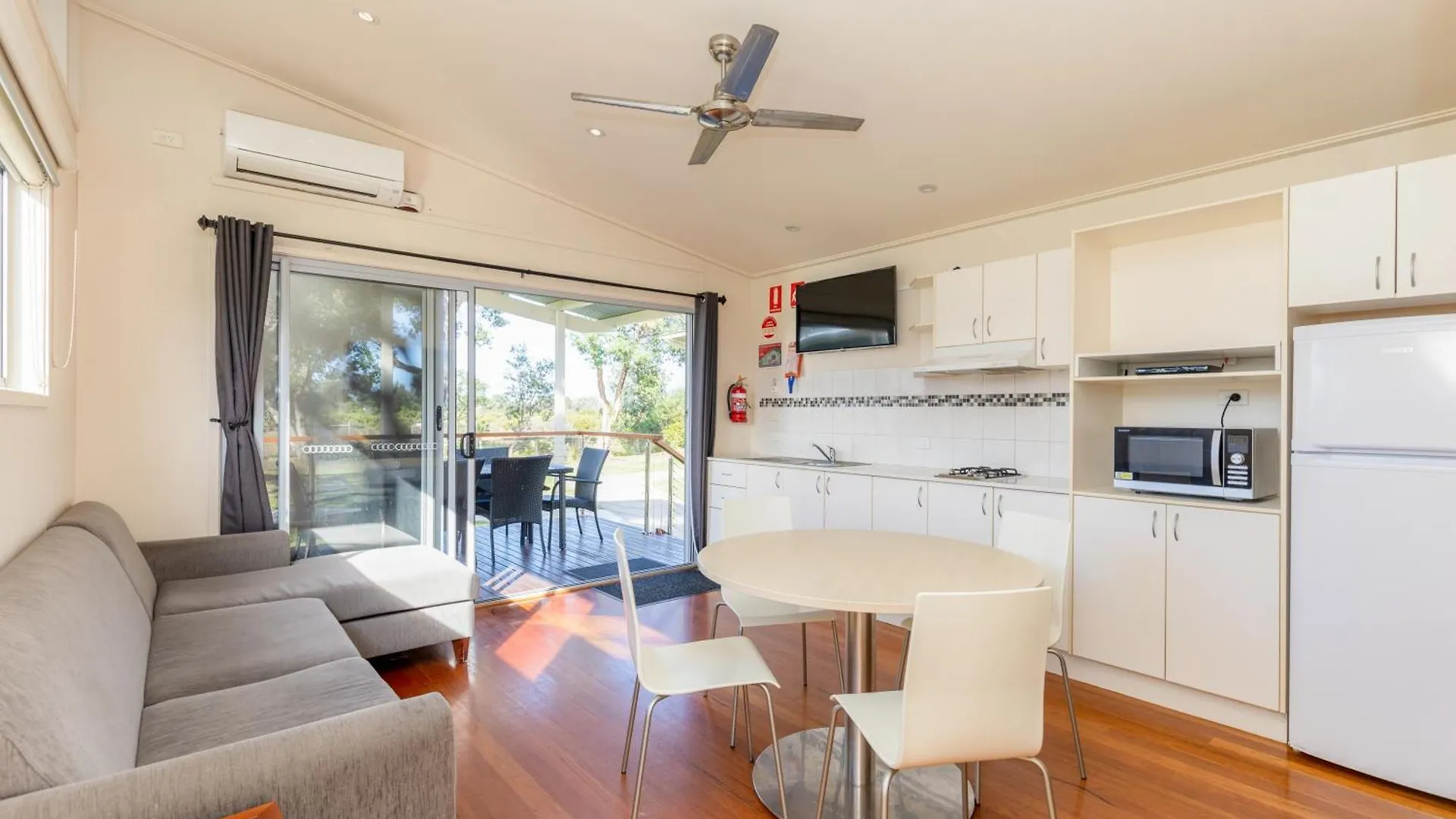
3. Nrma Eastern Beach Holiday Park
Show on map


 Check-infrom 14:00 until 18:00Check-outfrom 08:00 until 10:00
Hurry – almost gone at this price!
fromAU$ 199
-
4. Warren Motor Inn
Show on map


 Check-infrom 14:00 until 18:00Check-outuntil 10:00
Rooms filling fast – secure the best rate!
fromAU$ 127
Smart Travel & Timing Advice
Australia's tourism demand peaks during two distinct windows: the summer school holiday period from late December through January, and the July school holidays, which drive bookings across coastal, urban, and regional properties simultaneously. Sydney and Brisbane hotels with strong WiFi ratings fill fastest in January, when both domestic and international demand overlap - booking at least 10 weeks ahead is advisable for these periods. Regional properties like those in Lake Entrance and Warren experience more dramatic availability drops during school holidays than urban hotels, simply because total room inventory is smaller. Outside peak windows, particularly from February to May and again in September, rates at coastal and regional properties drop noticeably and availability is high. For visitors prioritising connectivity for remote work, the shoulder months of March-April and October-November offer the best combination of availability, stable pricing, and uncongested networks at hotel properties. A minimum of 3 nights is recommended at self-contained properties like those in Lake Entrance and Brisbane to justify the kitchenette setup and make the free amenities - pools, BBQs, and gyms - genuinely useful rather than incidental.