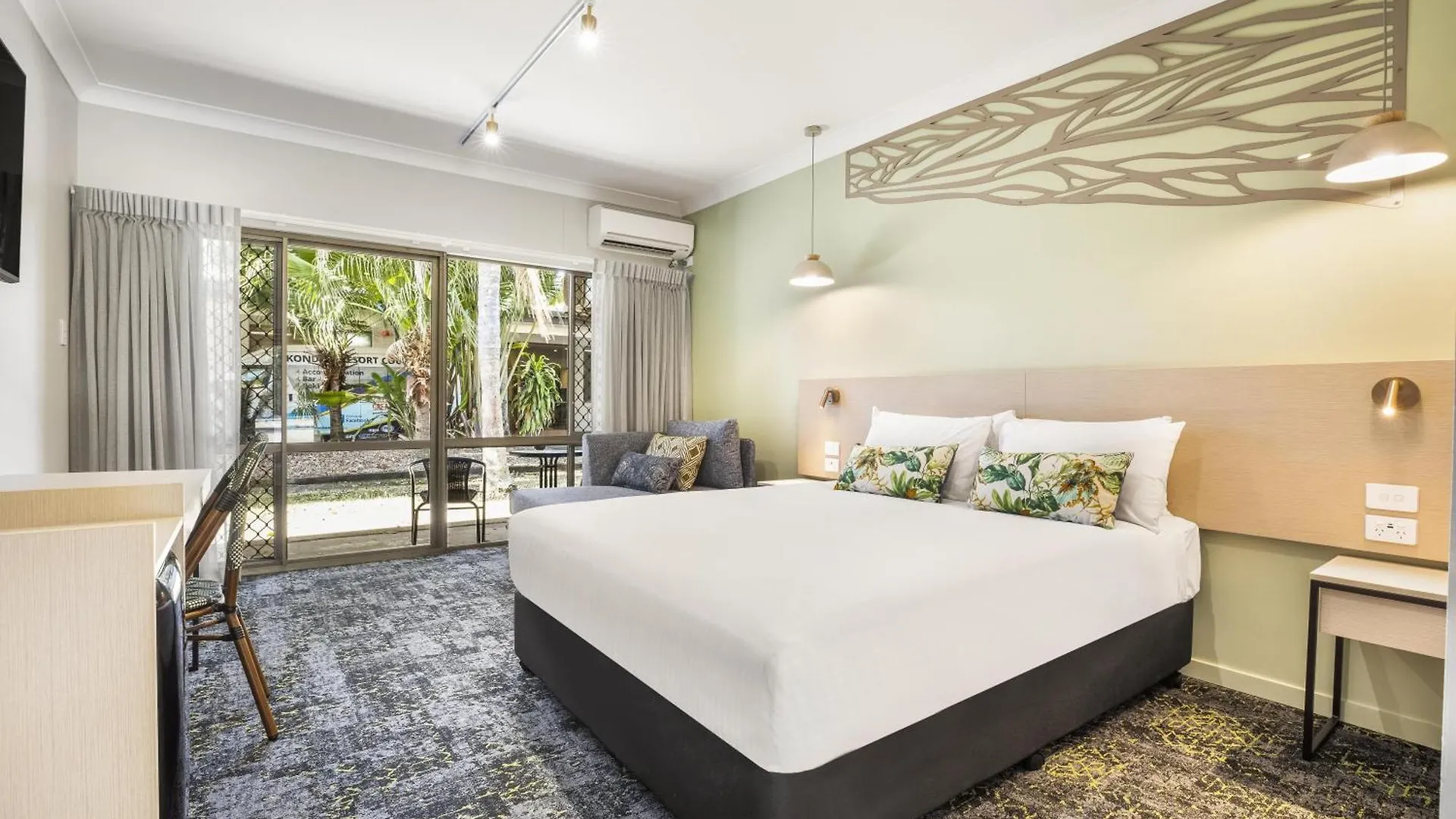
Australia's sheer size means family accommodation choices vary dramatically - from eco-certified beach resorts on the Southern Great Barrier Reef to lakeside retreats in Victoria's Gippsland region. This guide covers five family hotels across Queensland, New South Wales, and Victoria, with specific details on room setup, on-site facilities for children, and proximity to nature-based attractions that matter when travelling with kids.
What It's Like Staying in Australia with a Family
Australia rewards families who plan ahead. The country spans around 7.7 million square kilometres, meaning the experience of staying in Tropical North Queensland feels nothing like a coastal NSW resort town or a Gippsland lake district. Distances between regions are substantial, so most families anchor to one state per trip rather than attempting cross-country road trips. Seasonal crowds concentrate heavily around school holiday periods - particularly December to January and April - when coastal resorts fill fast and prices at family-friendly properties rise noticeably.
Eastern Australia's coastline, from the Great Barrier Reef down to Victoria's Ninety Mile Beach, is where most international families focus their stay. Wildlife encounters - sea turtles, kangaroos, subtropical birdlife - are built into the geography here, rather than being ticketed tourist attractions. Families with children under 12 benefit most from staying in resort-style properties that combine beach access, pool facilities, and on-site dining, cutting down on daily logistics.
Pros:
- Nature-based activities (turtle watching, snorkelling, wildlife spotting) often accessible within minutes of family resorts
- Many coastal resorts offer self-contained apartments with full kitchens, reducing daily meal costs significantly
- Domestic flight connections between Sydney, Brisbane, and regional airports (like Port Macquarie and Bundaberg) keep transfers under 2 hours from major hubs
Cons:
- School holiday pricing at coastal resorts spikes sharply - booking less than 6 weeks out in peak periods is a real risk
- Regional locations like Ayr (North Queensland) or Lakes Entrance (Victoria) require a car - public transport is minimal
- Marine stinger season in tropical Queensland (November to May) limits open-water swimming without protective swimwear
Why Choose Family Resorts in Australia
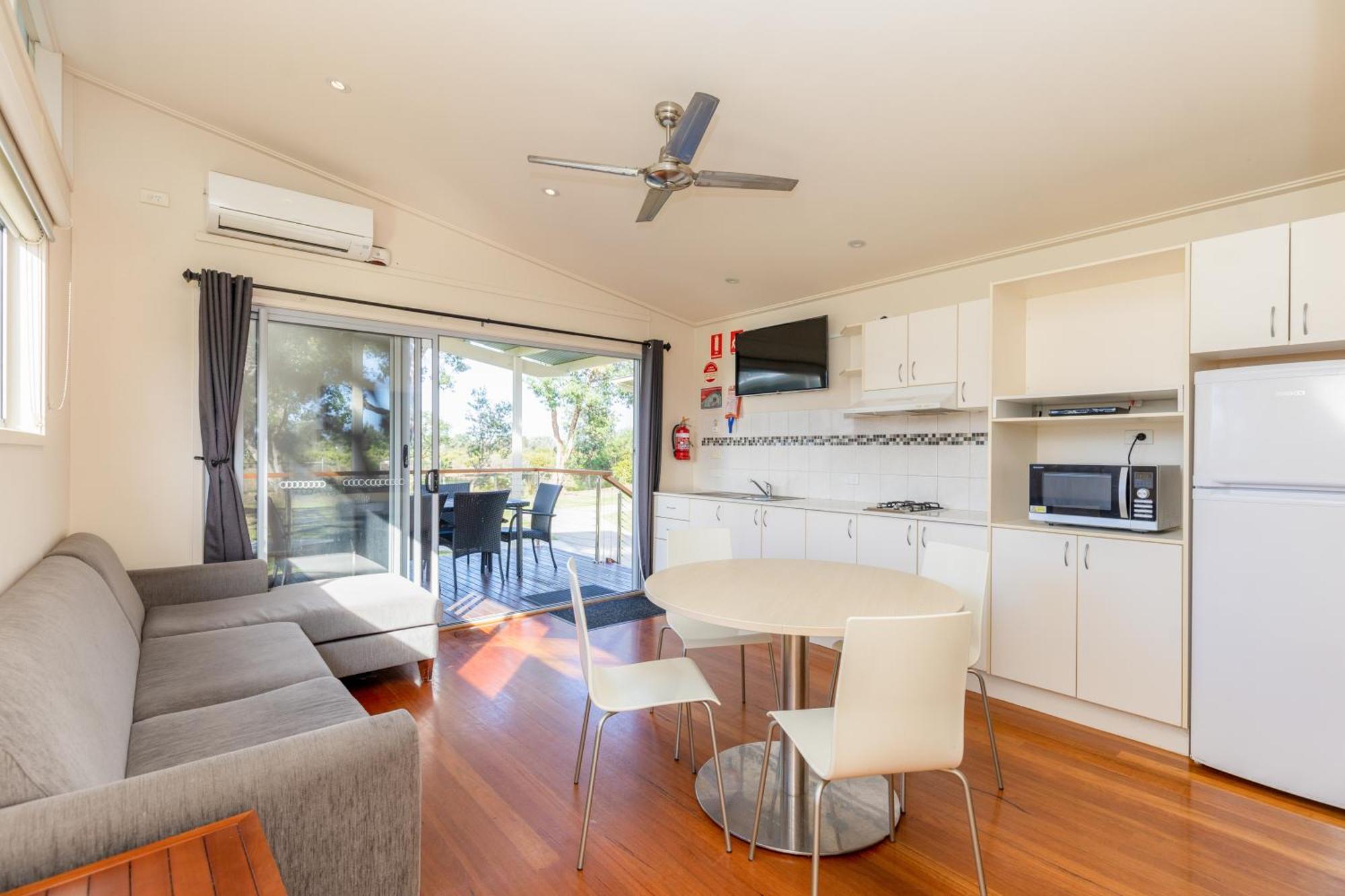
Family-oriented resorts in Australia tend to offer something motel-style or hotel-only stays cannot: genuine space. Self-contained eco-villas and full apartments with separate sleeping areas, full kitchens, and private verandahs are common across Queensland's coastal resort belt, which directly addresses one of the biggest pain points families face - the cost and logistics of dining out three times a day with children. Properties in this category also typically sit within garden or beachfront settings that provide natural play space without extra charges.
Compared to standard hotels in Australian cities, family resorts outside urban centres offer around 40% more indoor space per booking for a comparable price point. The trade-off is that you're committing to a single base - most of these resorts sit in regional areas where the resort itself becomes the hub of daily activity. On-site amenities - pools, BBQ areas, tennis courts, tour desks - carry more weight here than in a city break context, because leaving the property for alternatives takes time and a car.
Pros:
- Self-contained apartments with full kitchens eliminate the need to find family-friendly restaurants daily
- Tour desks at resort properties handle Fraser Island, Lady Elliot Island, and Great Barrier Reef day trips - removing independent planning burden
- Many family resorts sit beside nature reserves or marine parks, providing built-in wildlife access without entrance fees
Cons:
- Dining options outside the resort can be limited in regional towns - relying heavily on the on-site restaurant for evening meals
- Eco-certified properties prioritise sustainability features over luxury finishes - room aesthetics are functional rather than premium
- Pool hours and shared facilities can feel crowded during Queensland school holiday weeks
Practical Booking & Area Strategy for Families in Australia
For families targeting the Great Barrier Reef coast, the Bundaberg-Hervey Bay corridor in Queensland is the most accessible entry point - both cities have regional airports and sit within striking distance of Fraser Island (now K'gari) and Lady Elliot Island. Hervey Bay specifically has a calm, sheltered bay that makes beach days genuinely manageable with young children, unlike exposed surf beaches further south. Port Macquarie in NSW is an underrated family base - it has its own airport, a compact town centre, multiple patrolled beaches within 15 minutes of each other, and wildlife parks nearby, making it a lower-cost alternative to the Whitsundays with far less travel time from Sydney.
For Victoria-bound families, Lakes Entrance in the Gippsland region offers lake-and-beach access in one location, though it functions best as a road trip stop from Melbourne (around 3.5 hours) rather than a fly-in destination. Regional Queensland towns like Ayr - positioned between Townsville and Bowen - work well as stopovers on self-drive itineraries along the Bruce Highway, rather than standalone destination bases. Booking at least 8 weeks ahead for December and January stays at coastal Queensland resorts is non-negotiable - late arrivals to the booking window face either premium pricing or availability gaps on family-sized units.
Family Hotels on the Queensland Coast
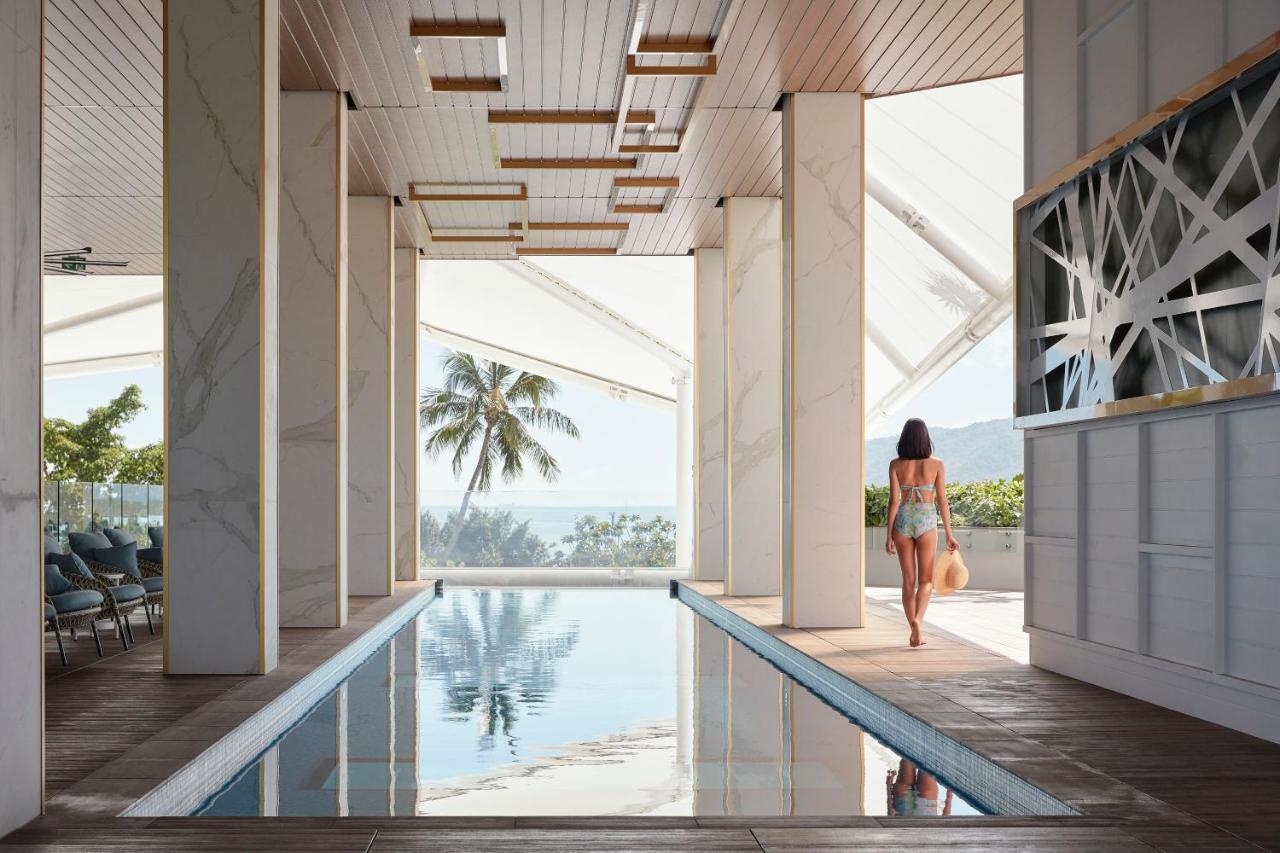
Queensland's coastal family resorts offer the densest concentration of nature-based activities combined with self-contained accommodation - from the lagoon gardens of Hervey Bay to the Great Barrier Reef-adjacent shoreline at Bargara.
-
1. Nightcap At Kondari Resort
Show on map


 Check-infrom 14:00 until 19:00Check-outfrom 09:00 until 10:00
Just a few rooms left at the best rate!
fromAU$ 116
-
2. Kellys Beach Resort
Show on map


 Check-infrom 14:00 until 22:00Check-outfrom 07:00 until 10:00
Just a few rooms left at the best rate!
fromAU$ 213
Family Stays in Regional Queensland, NSW & Victoria
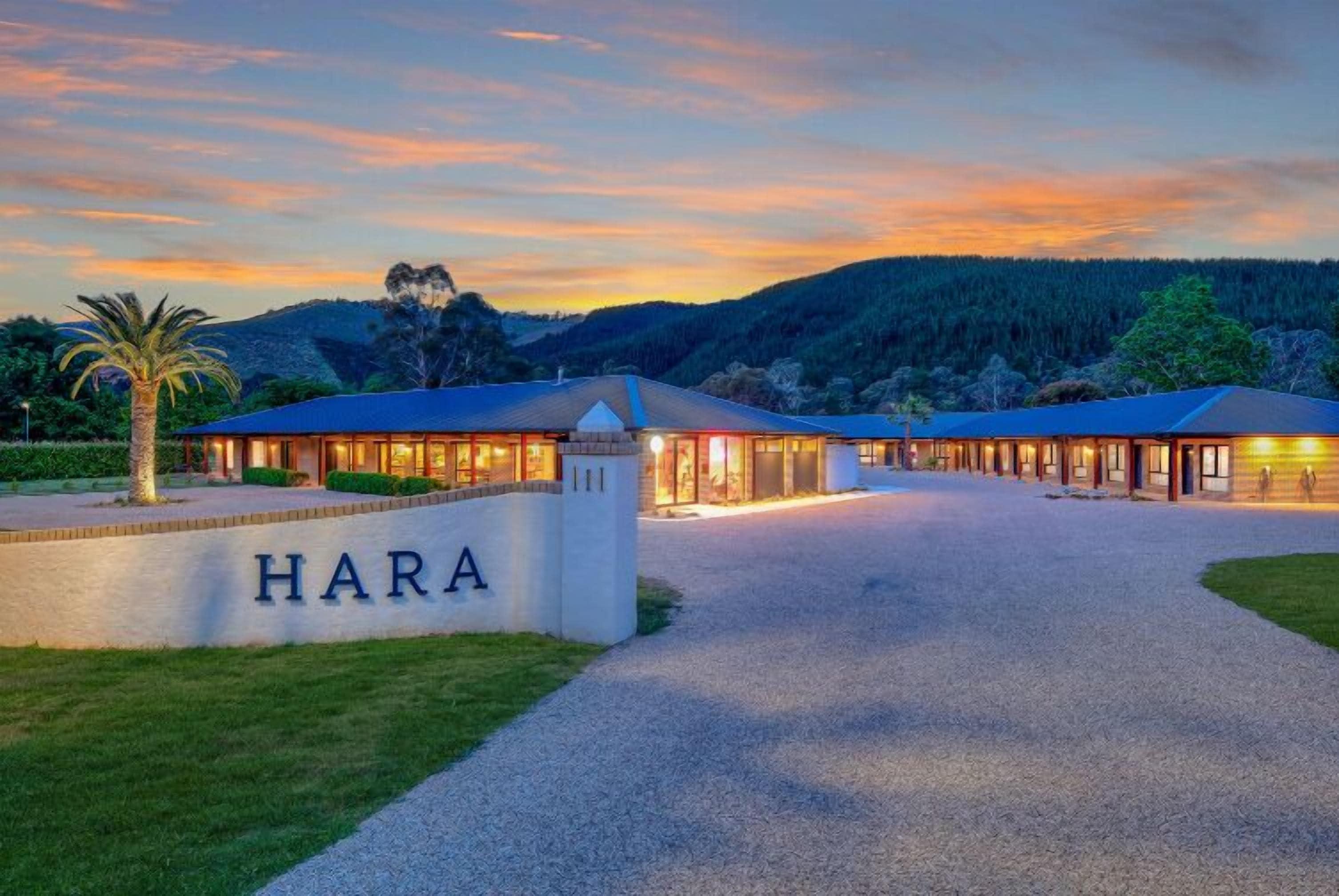
Outside the main reef corridor, these three properties serve different family travel scenarios - a highway stopover in North Queensland, a beachside apartment base on the NSW mid-north coast, and a lakeside retreat in Victoria's Gippsland.
-
3. Parkside Motel Ayr
Show on map


 Check-infrom 14:00 until 21:00Check-outfrom 04:00 until 10:00
Hurry – almost gone at this price!
fromAU$ 213
-
4. Flynns Beach Resort
Show on map


 Check-infrom 14:00 until 23:59Check-outuntil 10:00
Hurry – almost gone at this price!
fromAU$ 295
-
5. Bellevue On The Lakes
Show on map


 Check-infrom 14:00 until 18:00Check-outfrom 08:00 until 10:00
Rooms filling fast – secure the best rate!
fromAU$ 152
Smart Travel & Timing Advice for Family Stays in Australia
Australian school holidays dictate the rhythm of coastal family resort pricing more than any other factor. The summer peak - mid-December through late January - is when Queensland beach resorts reach maximum occupancy, and rates at properties like Kellys Beach Resort and Nightcap at Kondari can run noticeably higher than in March or September. The shoulder periods of late April and September offer the best combination of school-holiday availability (some states break in these windows), mild coastal weather, and more competitive nightly rates. For tropical Queensland destinations around Hervey Bay and Bargara, whale-watching season runs July to November, which adds a specific activity layer to a mid-year trip that doesn't exist in summer.
For Port Macquarie and the NSW mid-north coast, March and October deliver warm ocean temperatures, smaller crowds than January, and no stinger risk - conditions that make beach-based family stays most practical. Booking at least 8 weeks ahead for any coastal Queensland resort between late December and mid-January is essential; last-minute availability disappears fast for family-sized apartments and villas. A minimum stay of 3 nights at resort-style properties makes logistical sense - setup time (finding grocery stores, getting pool access, organising day trips) absorbs the first day, and most family-oriented day trips require a full second day to be worthwhile.